About Us
Our Action Pillars
Every step of the IMPACTO Institute is guided by solid pillars that unite science, tradition, and conservation. These pillars support our mission to promote coexistence between big cats, human communities, and environmental balance. We operate with focus, responsibility, and innovation, always committed to life.


Coexistence:
Balance between Predators, Livestock, and Community
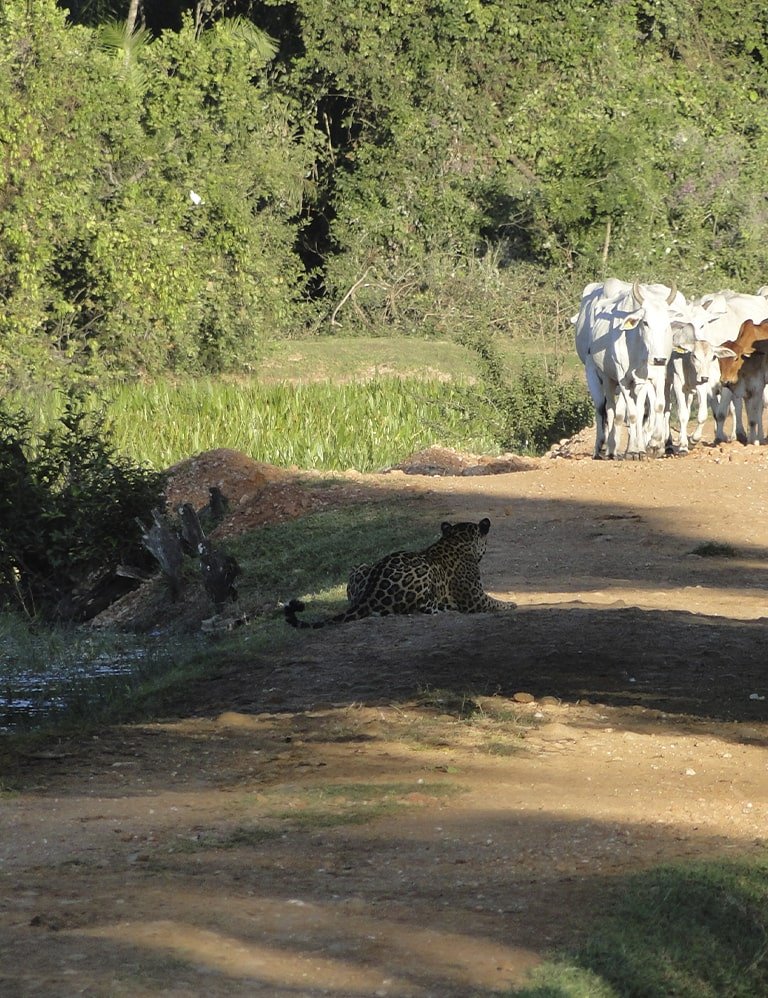
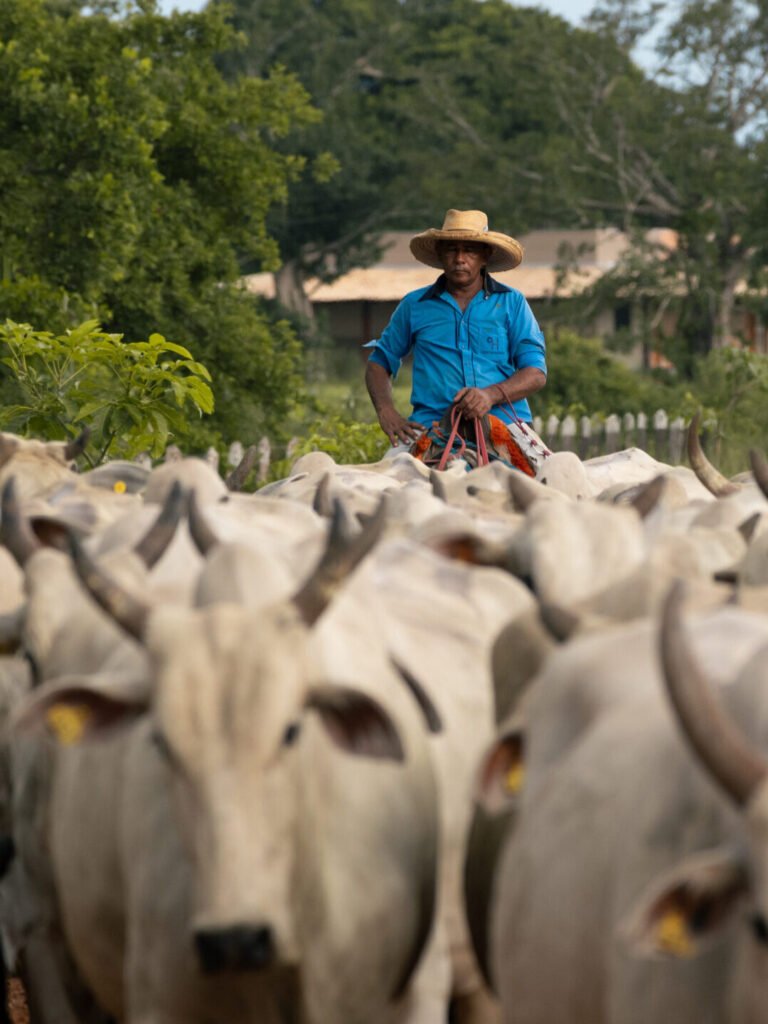
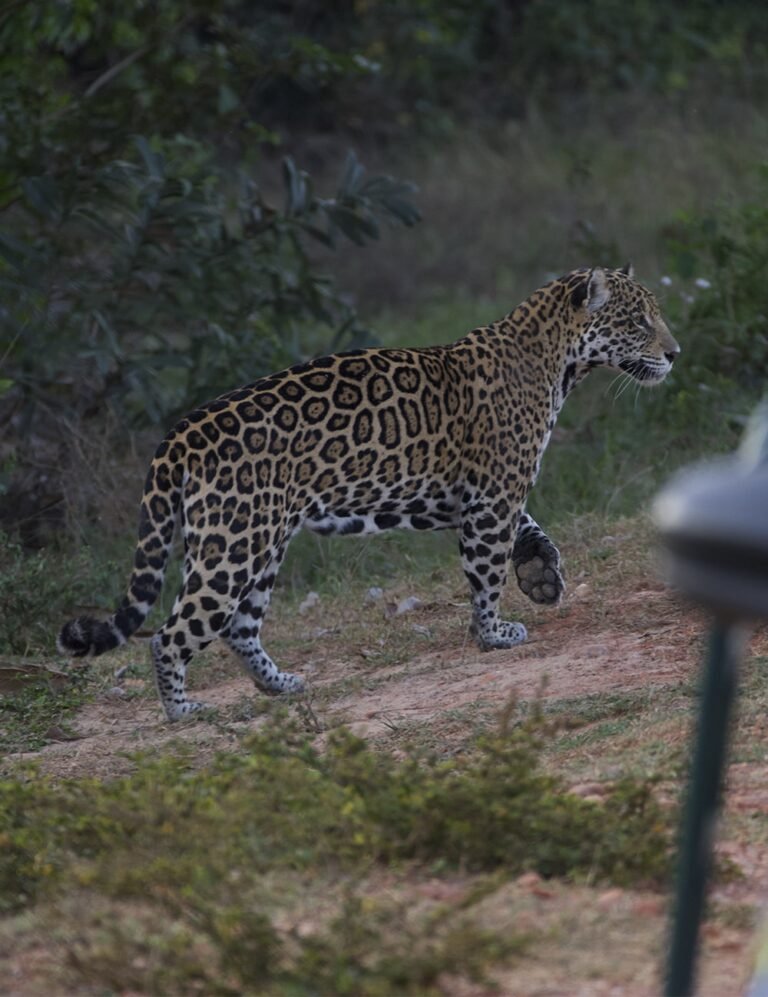
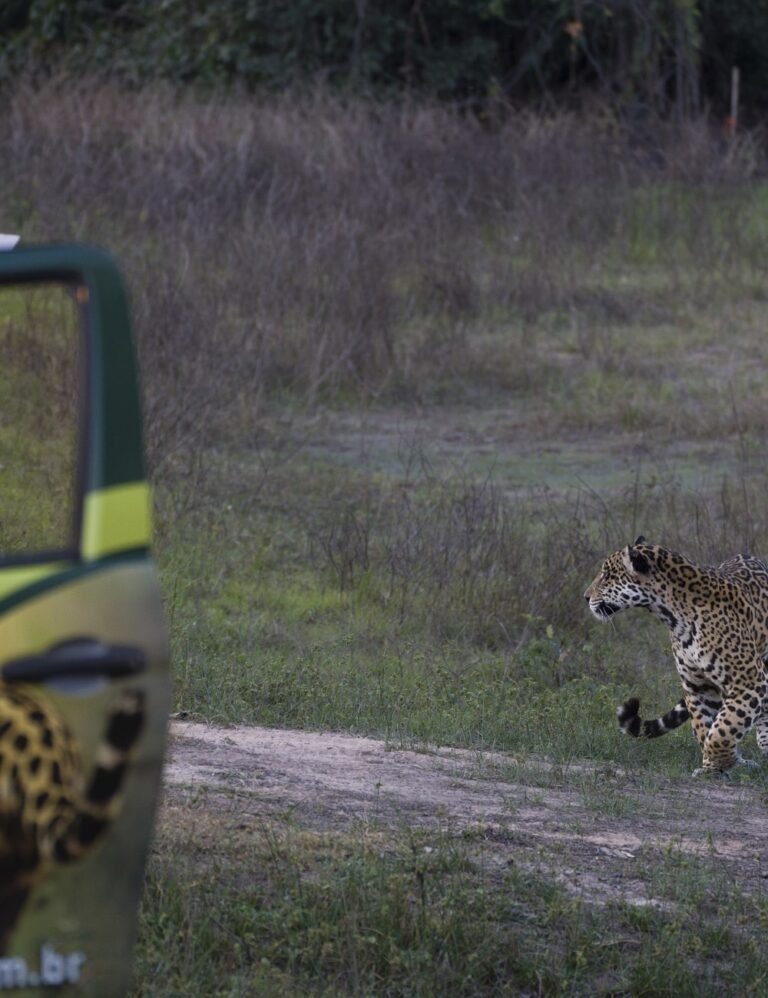
At the IMPACTO Institute, we believe that true conservation is built when there is balance between nature and people. The pillar of Coexistence stems from this understanding: to promote a harmonious coexistence between large predators, livestock activities, and the communities that live in and depend on these territories.
In many contexts, predators such as jaguars are seen as direct threats to the livelihoods of rural communities. This often leads to conflicts that can result in the elimination of these animals and the weakening of entire ecosystems. Our work aims to transform this scenario by offering alternatives based on technical knowledge, dialogue, and mutual respect.
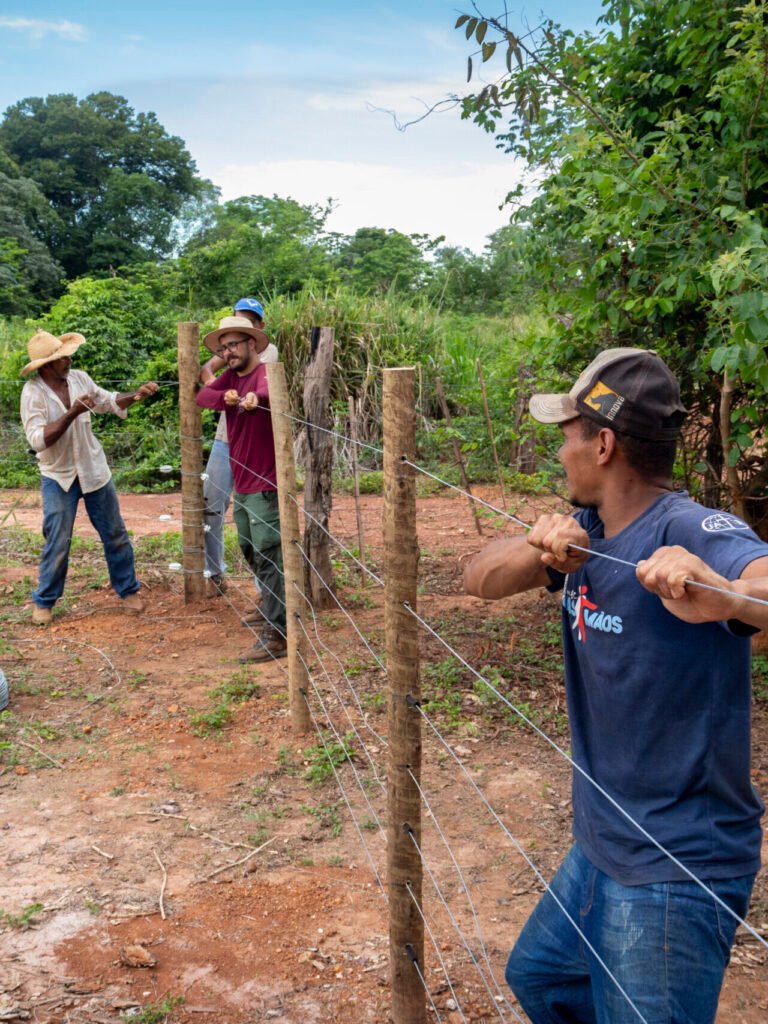
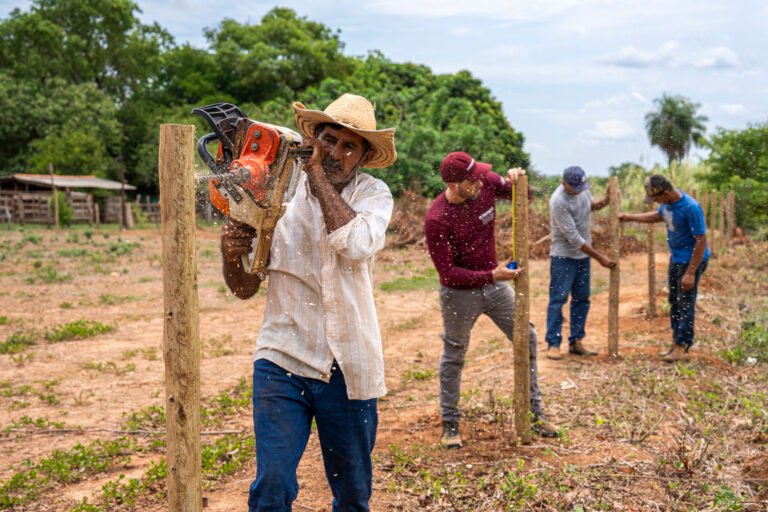
We work in the field to develop and implement strategies that reduce the impact of predation on livestock, such as adaptive management, the use of monitoring technologies, electric fences, repellent lights, and changes in management practices. But beyond technical solutions, we foster a new culture of coexistence, where the presence of predators is no longer synonymous with loss and comes to represent ecological, social, and even economic value.
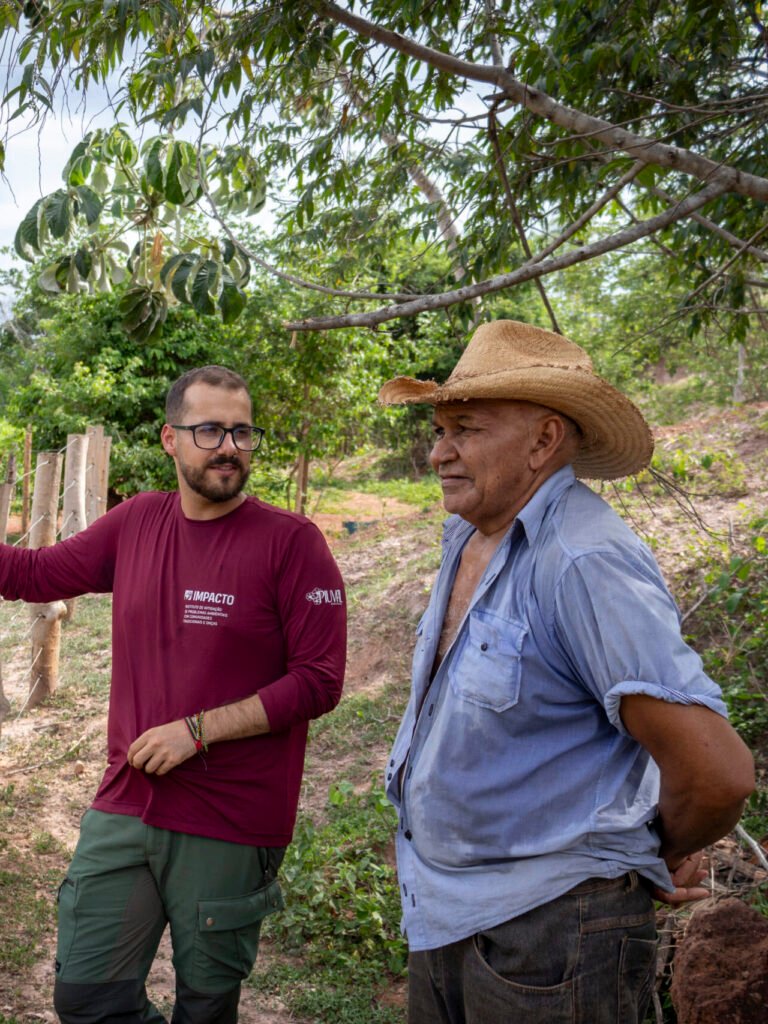
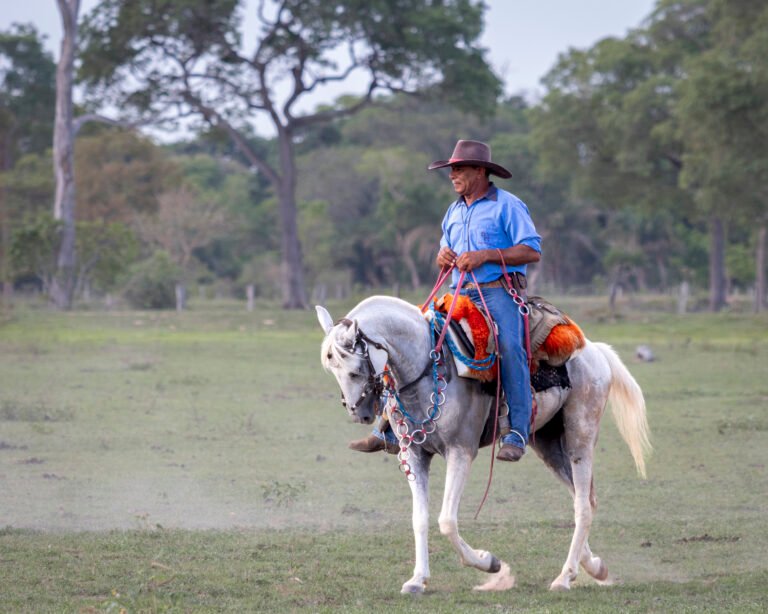
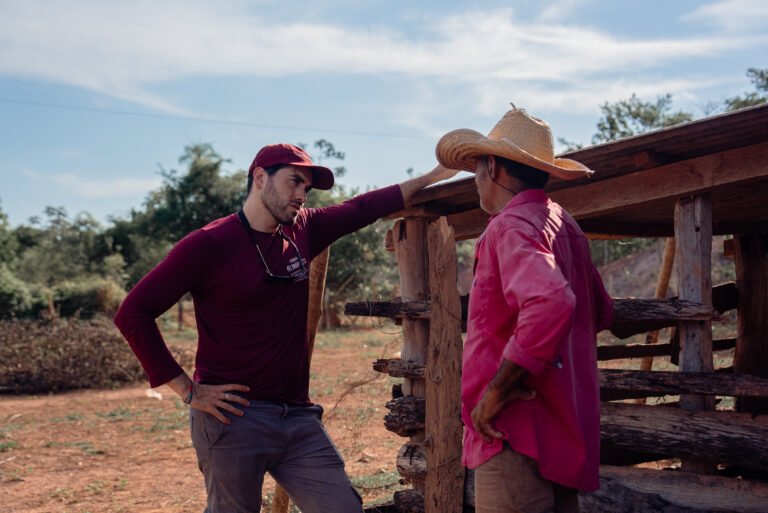
We work side by side with ranchers, small producers, and local leaders, building knowledge collaboratively and valuing traditional wisdom. Every territory has its own reality, and respecting these particularities is essential to creating lasting solutions.
Monitoring:
Knowledge that Connects and Protects
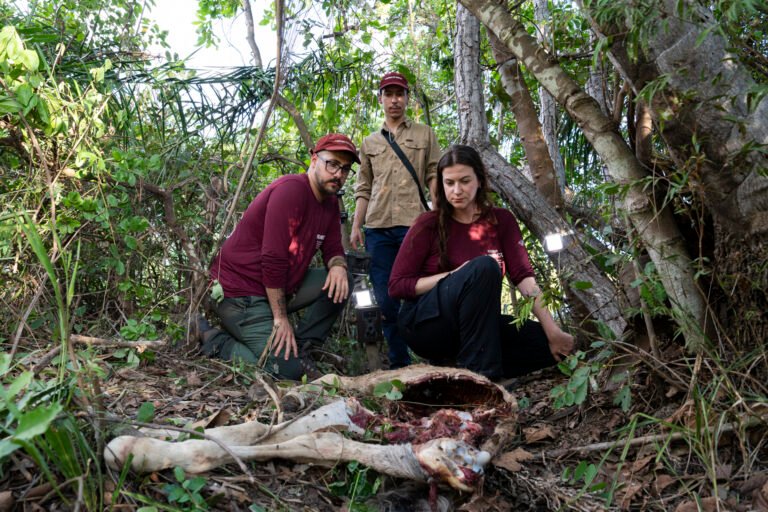
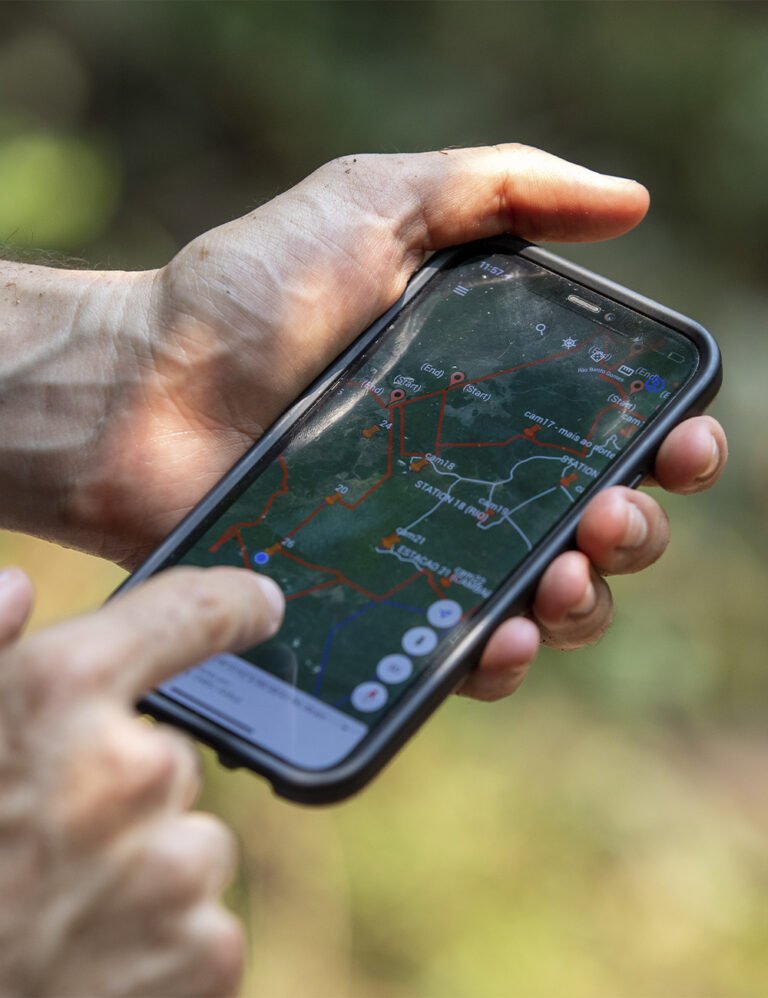
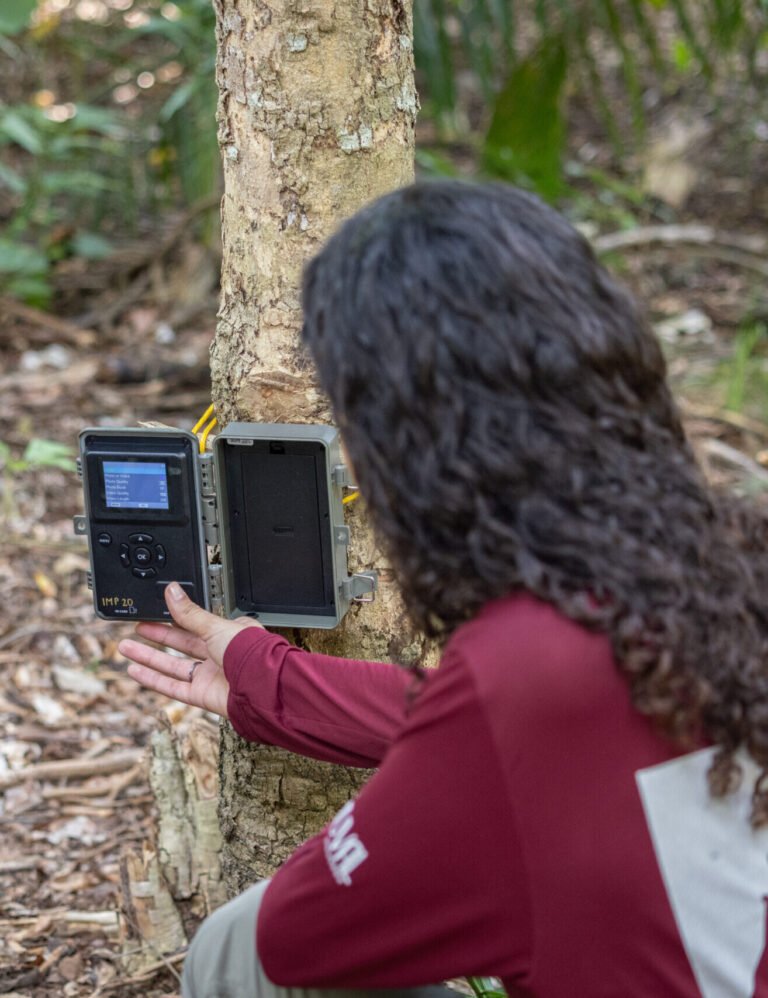
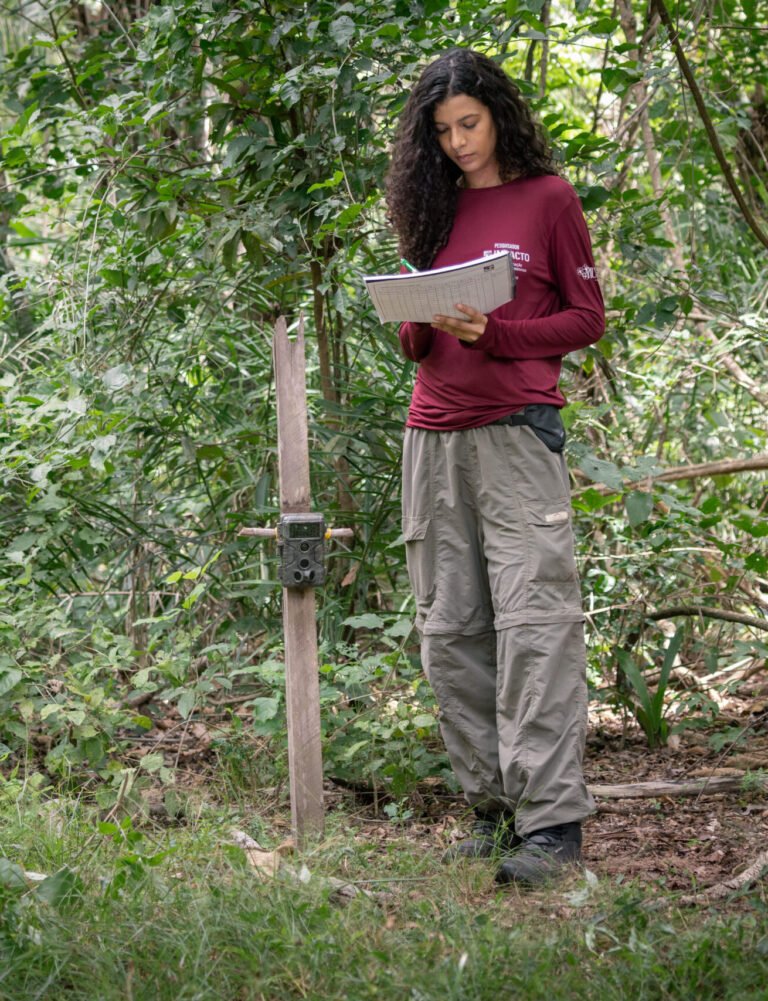
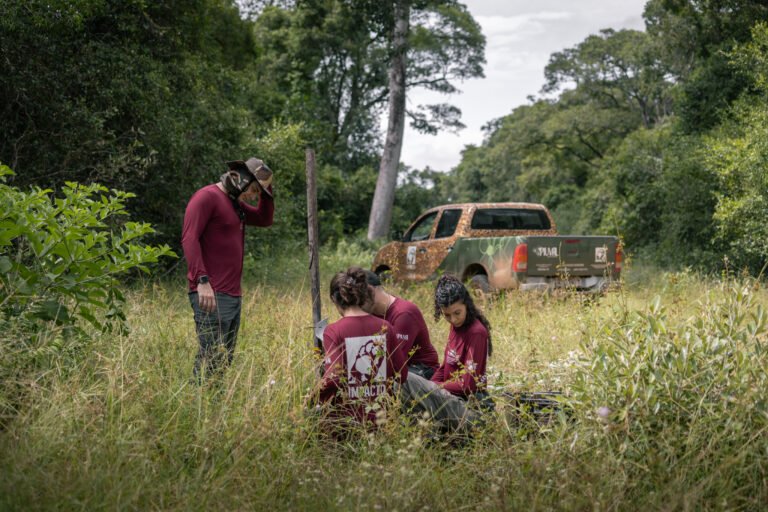
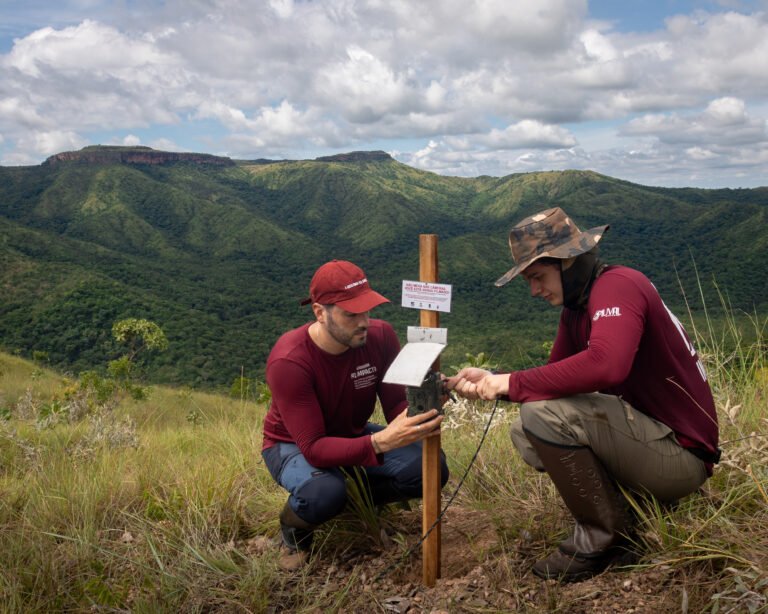
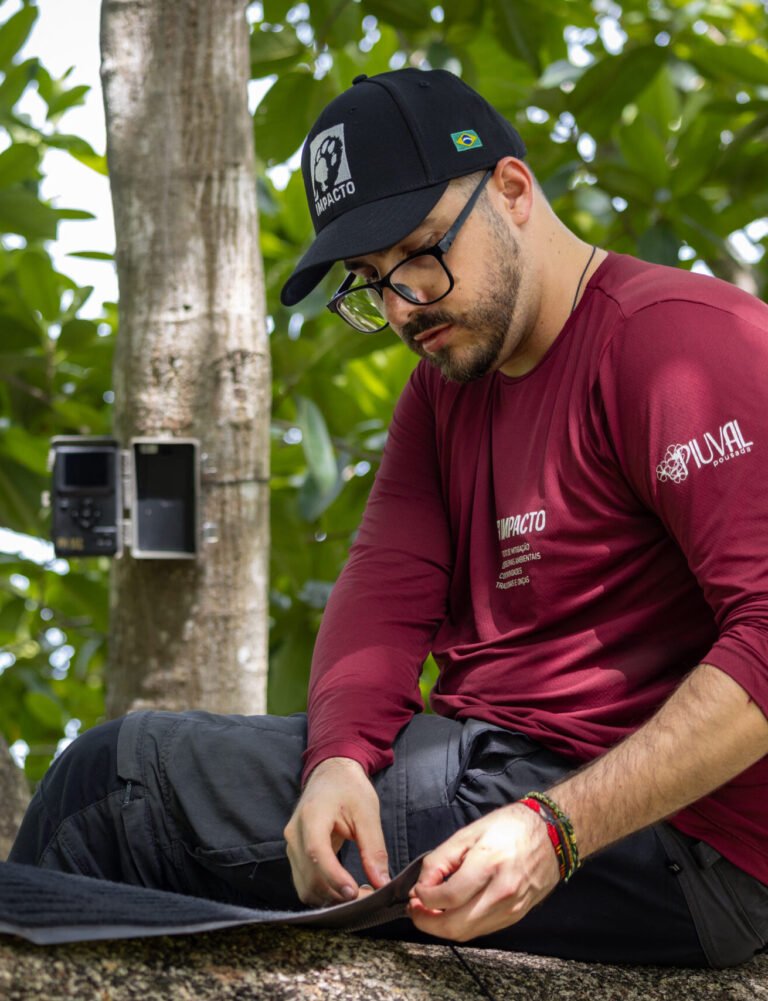
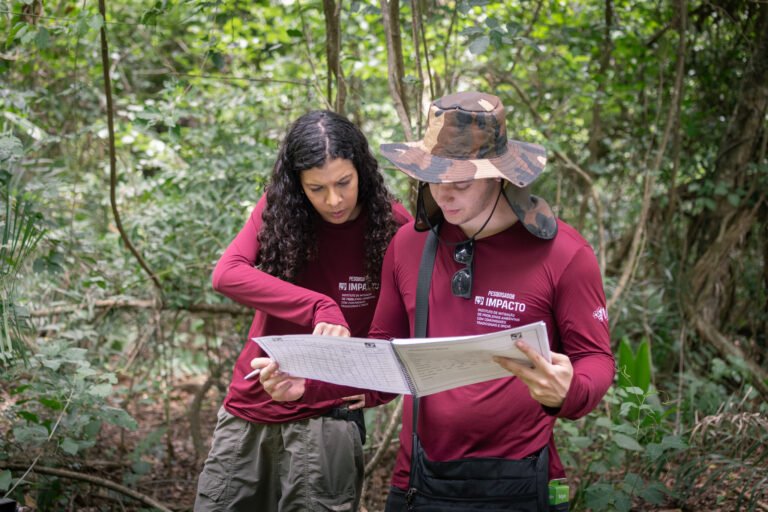
Monitoring is one of the foundations of our work. Through it, we transform observations into knowledge and data into concrete actions. We integrate different methodologies, combining direct sightings made by local residents and partners with the use of strategically placed camera traps across the territory. This hybrid approach allows us to record the presence of predators and other key species, understand their movements, population size, habits, and relationships with the environment.
Local knowledge is essential. We value and incorporate reports from those who live daily in the field. Sightings made by ranchers, rural workers, and community members are fundamental to guiding our actions, calibrating conflict-prevention strategies, and validating the continuous presence of animals in specific areas.
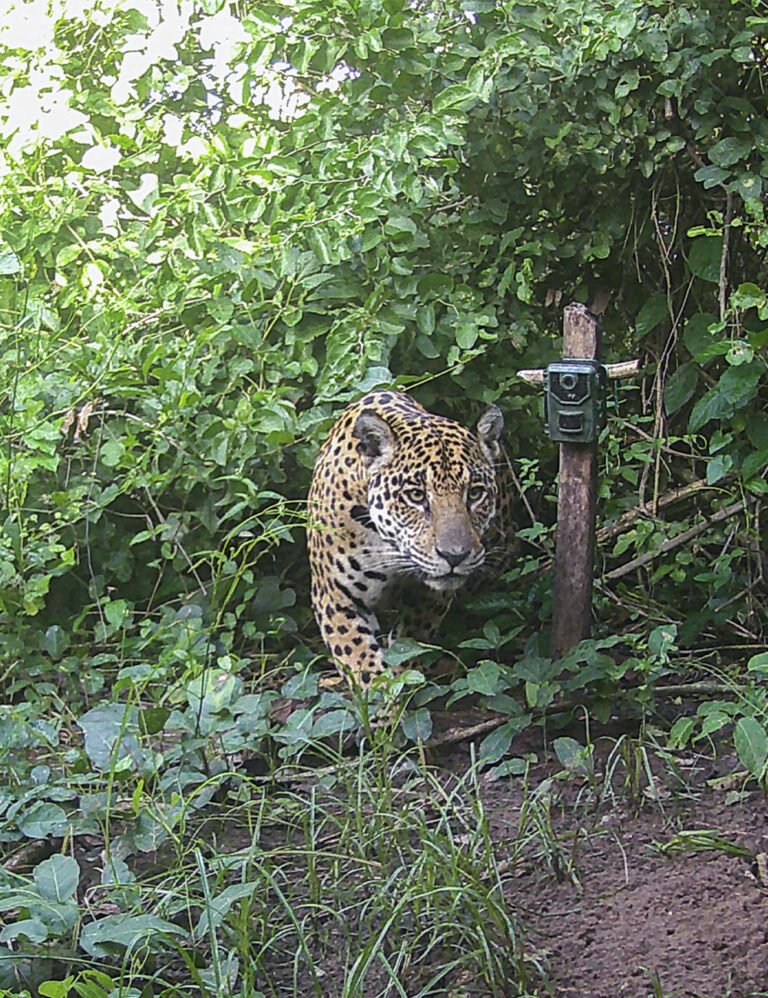
Camera traps act as the invisible eyes of the forest. They capture images and videos that reveal the presence and behavior of wildlife in a non-invasive way. These records not only help us identify individuals and activity patterns but also support scientific research, environmental education initiatives, and societal awareness.


Science:
Knowledge that Respects and Reveals
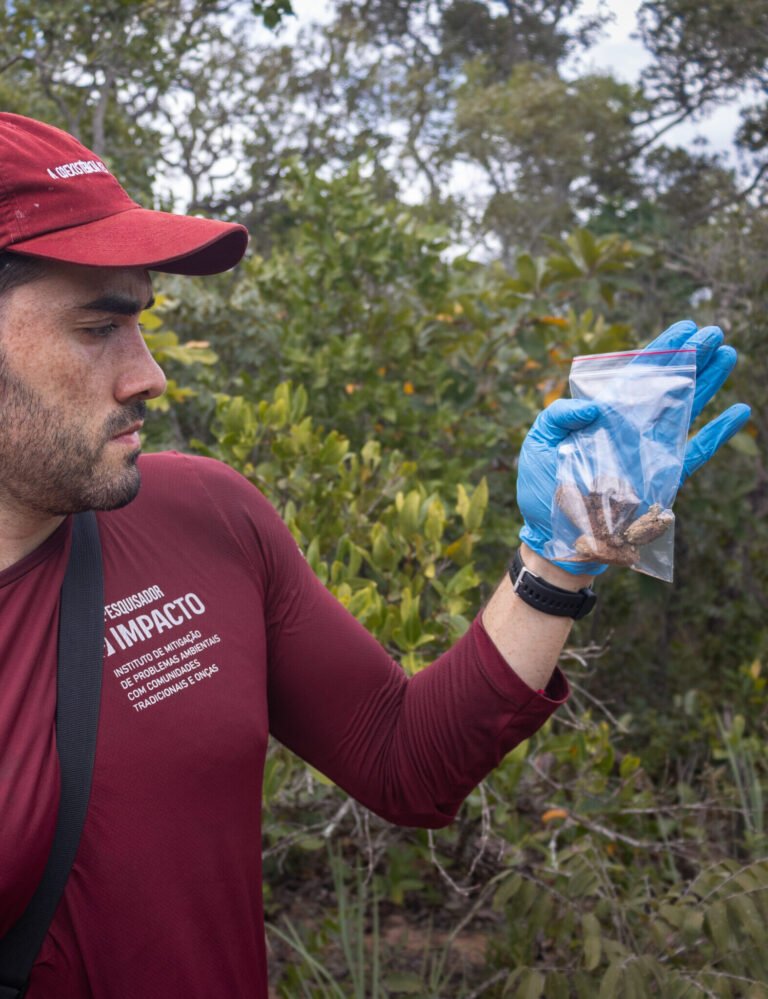
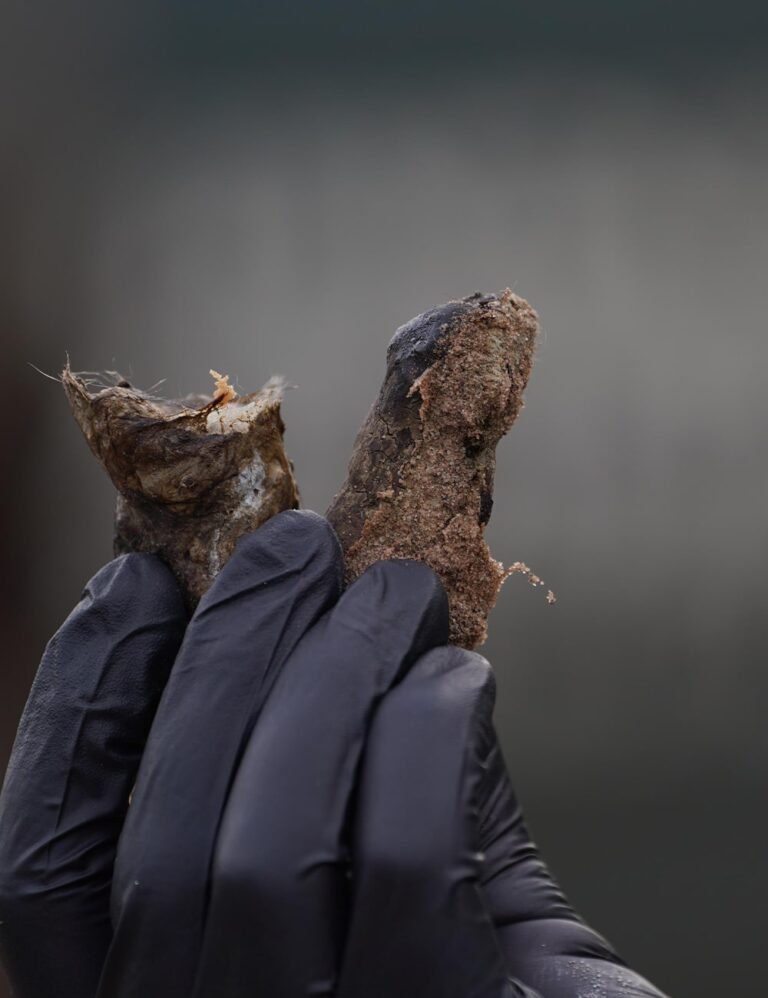
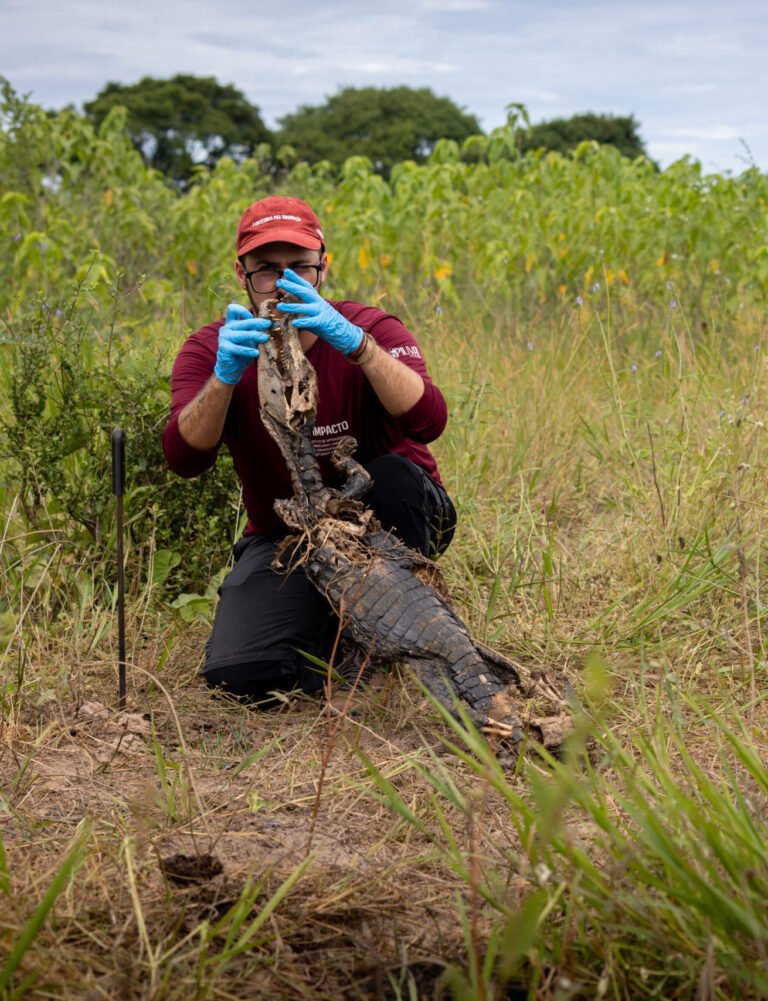
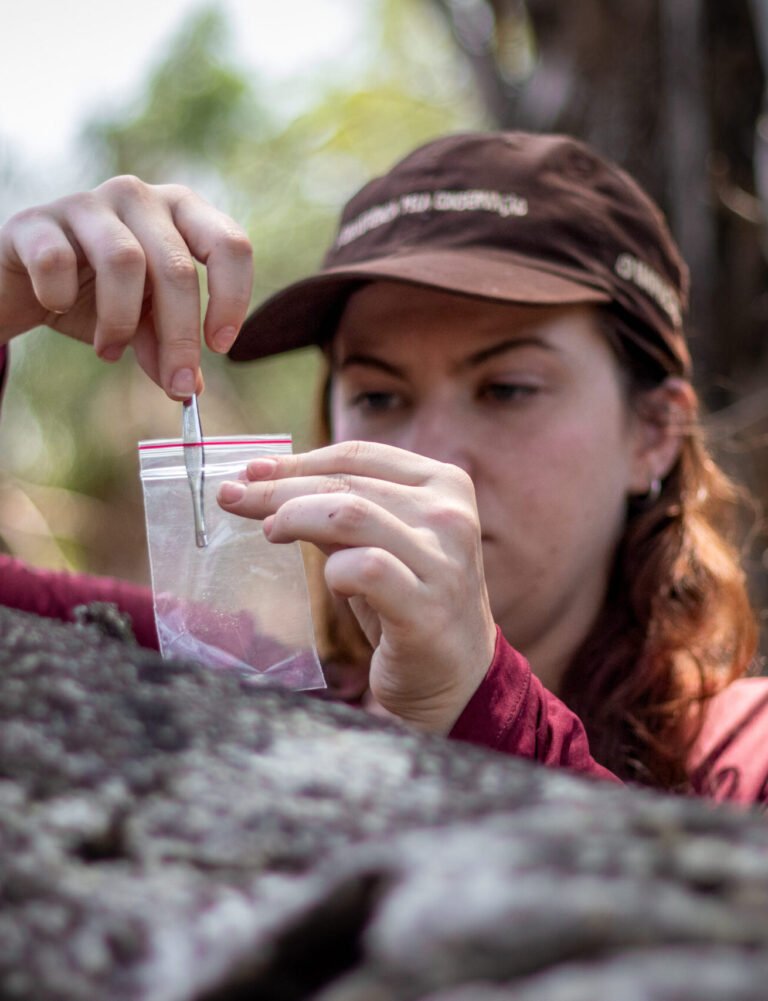
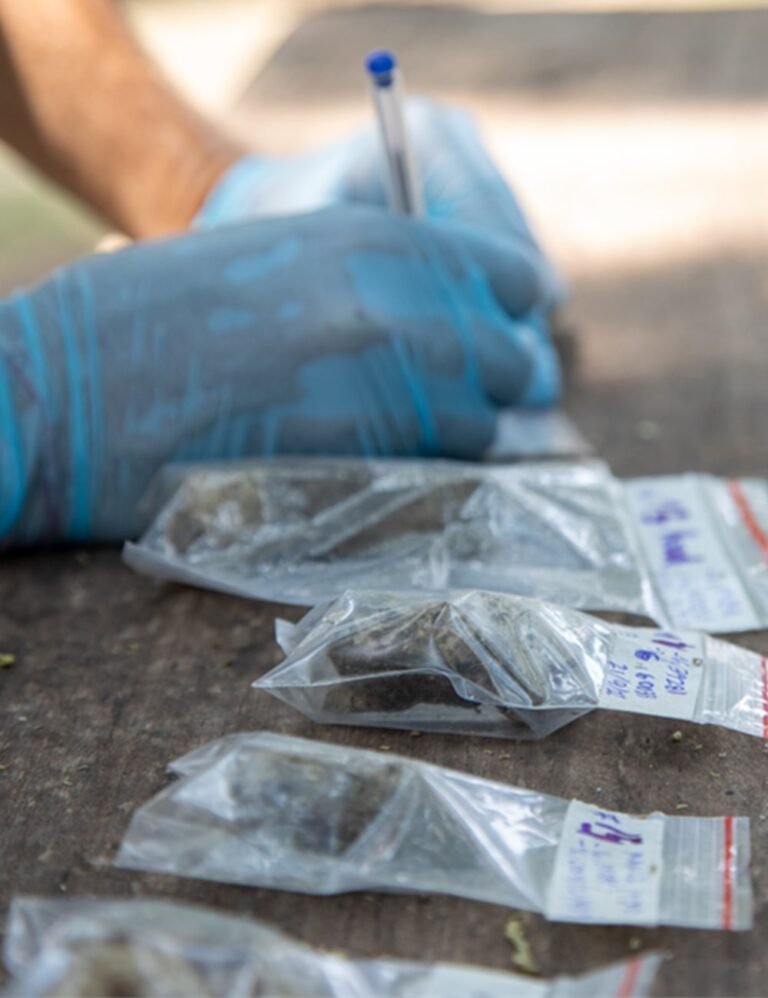
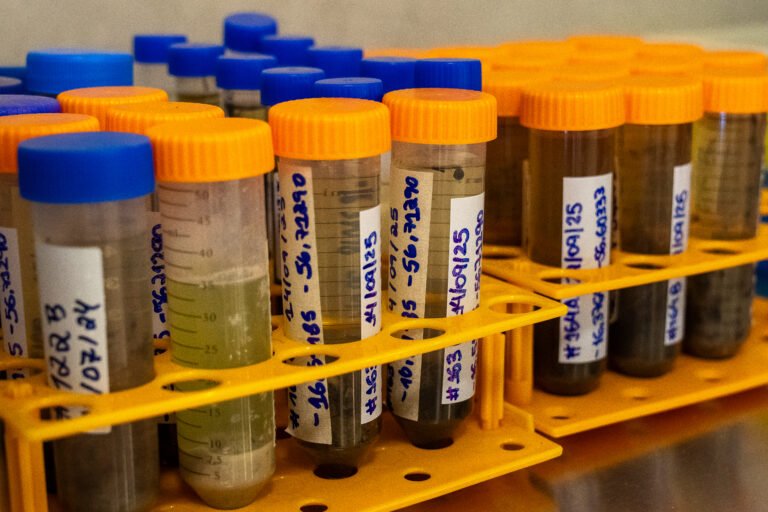
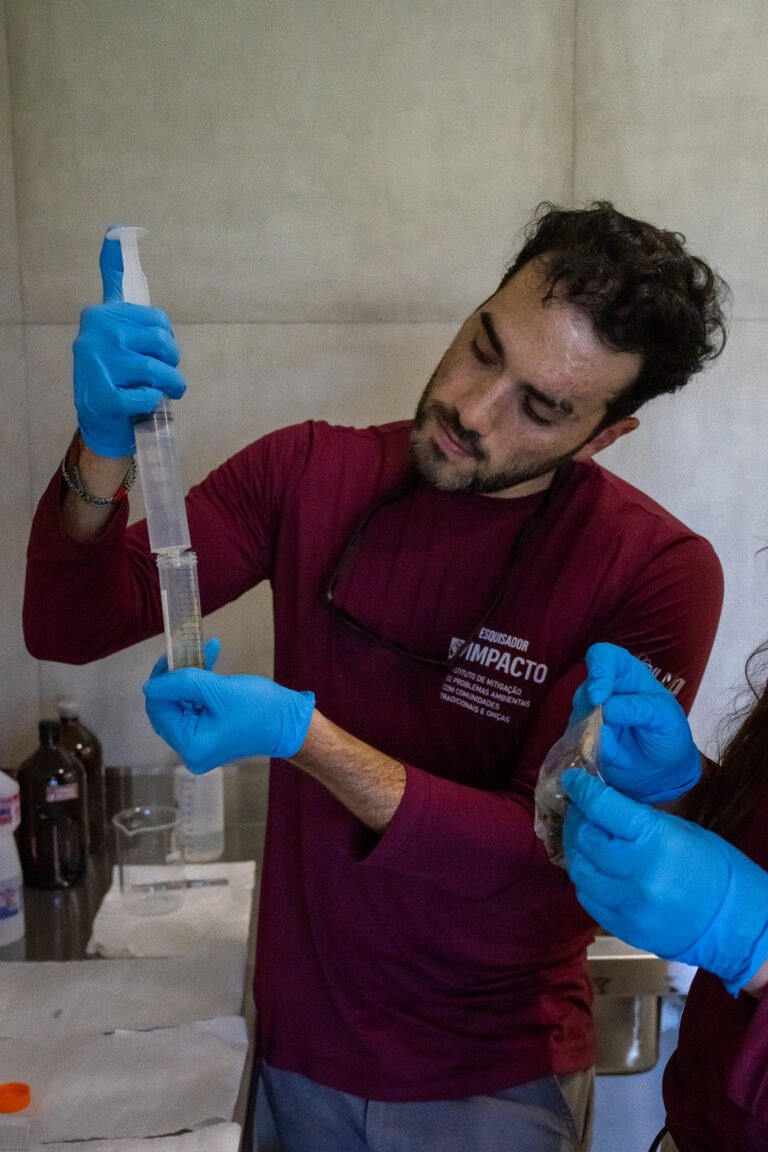
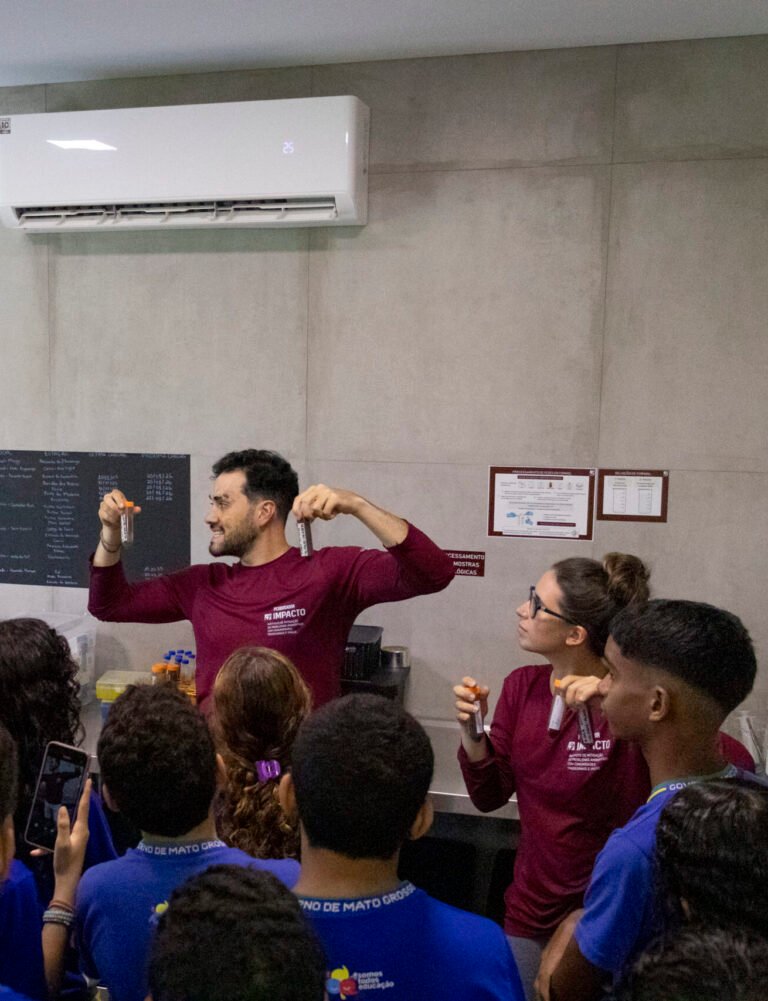
At Instituto Impacto, science is a tool for transformation. Through it, we deepen our understanding of large predators and the ecosystems they inhabit, always with an ethical, respectful approach aligned with life conservation. Our scientific work is based on non-invasive collection techniques, meaning methods that allow us to study animals without capturing, stressing, or directly interfering with their behavior. We primarily use feces, hair, and other natural traces left by animals in their environment. These materials, often overlooked at first glance, carry valuable information: genetics, diet, territory use, hormone levels, health status, and even relationships between individuals. The science we practice is integrated into the territory. We collaborate with researchers, academic institutions, and, most importantly, local communities, who are often the first to find these traces and contribute directly to data collection. This collaboration expands our reach and strengthens the value of collective knowledge.
Environmental Education:
Connect to Transform
We believe that knowledge transforms realities, and that by understanding nature, people begin to care for it in a more conscious, respectful, and engaged way. Our educational work unfolds along two complementary paths: local communities, especially schools, and visitors and tourists who pass through the territories where we operate.
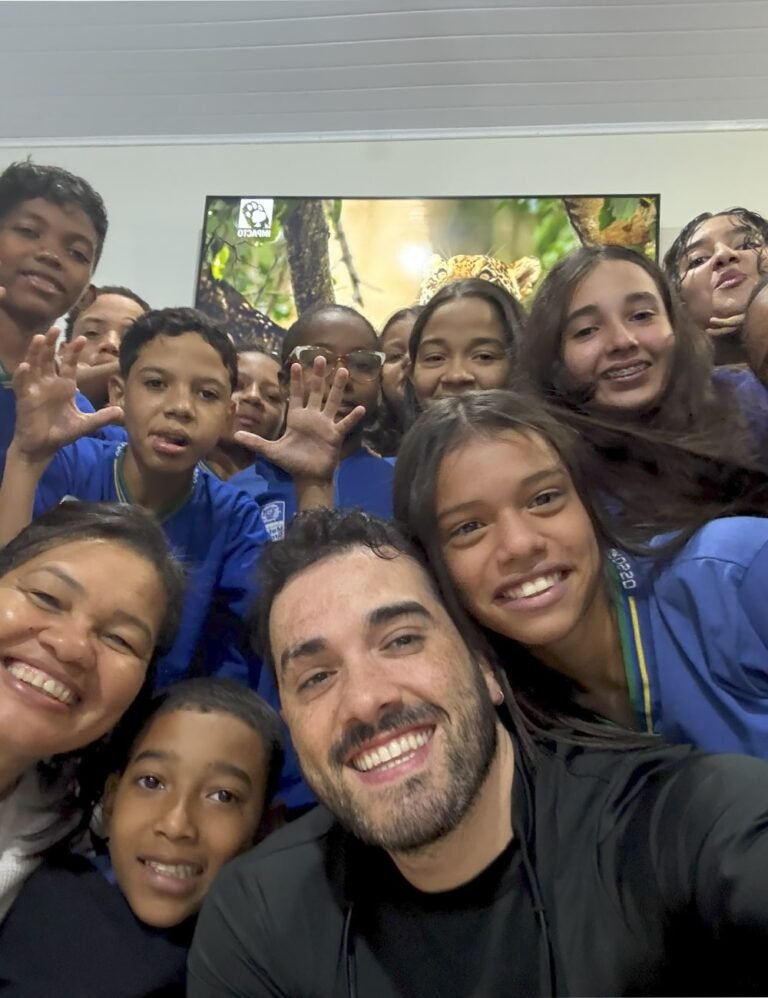
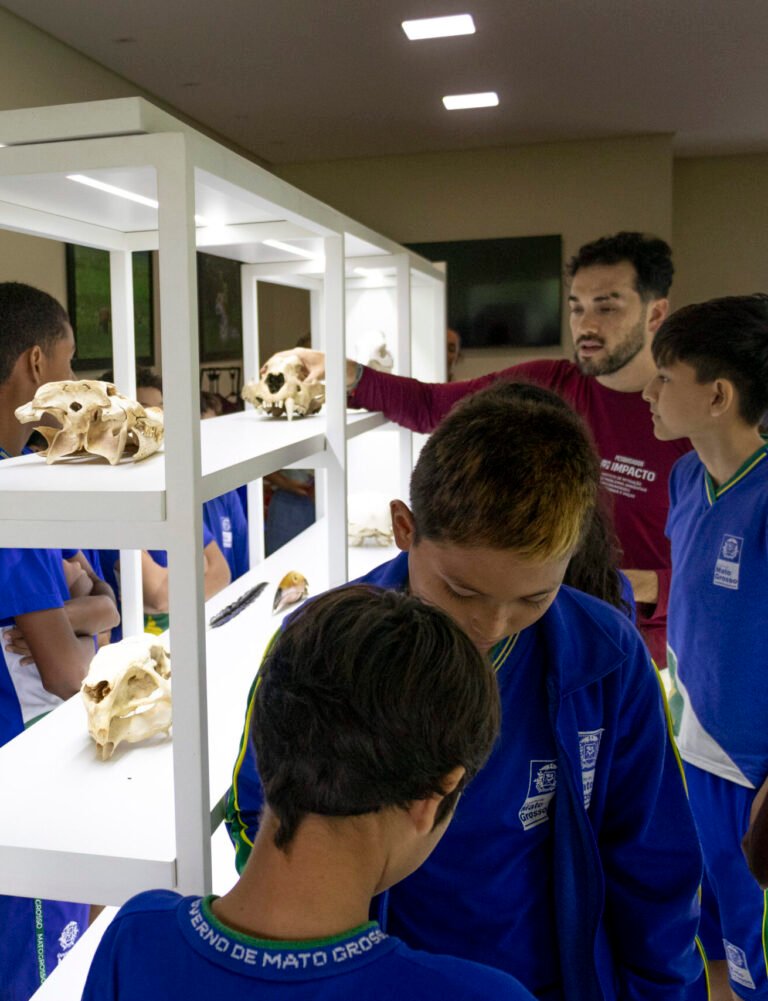
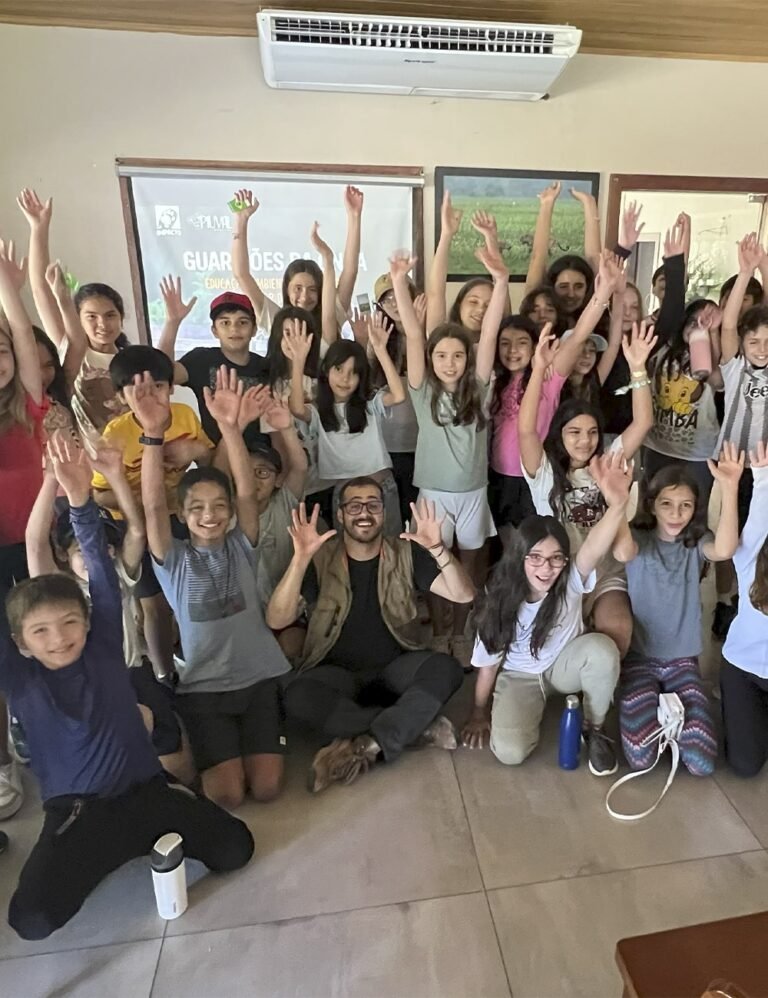
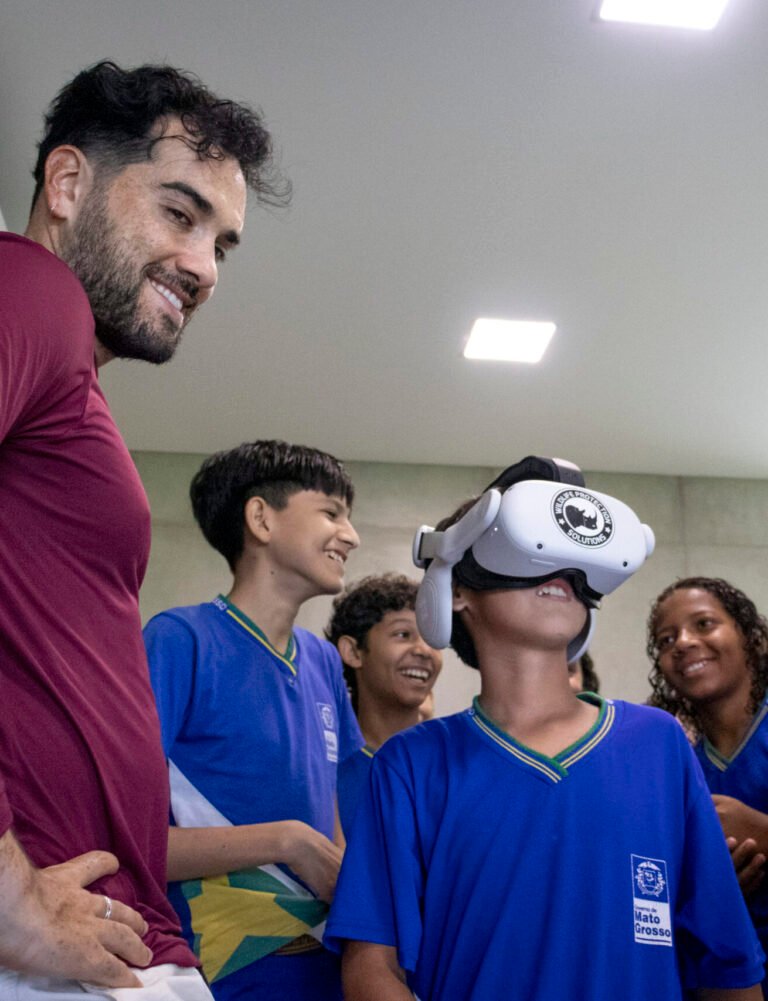
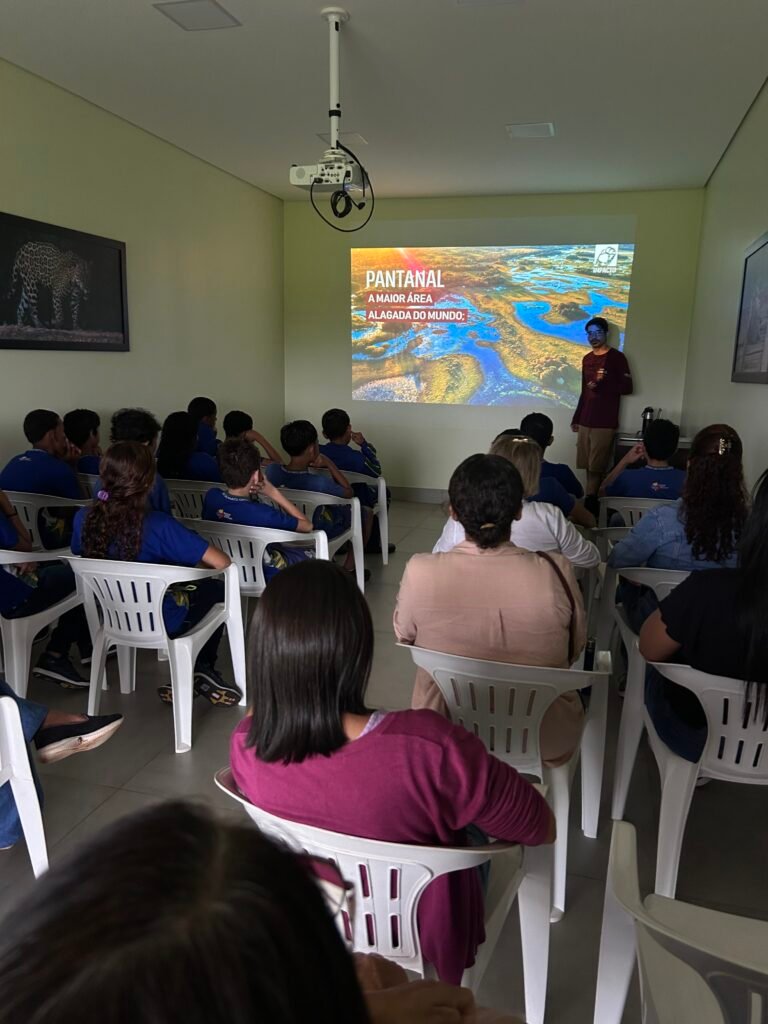
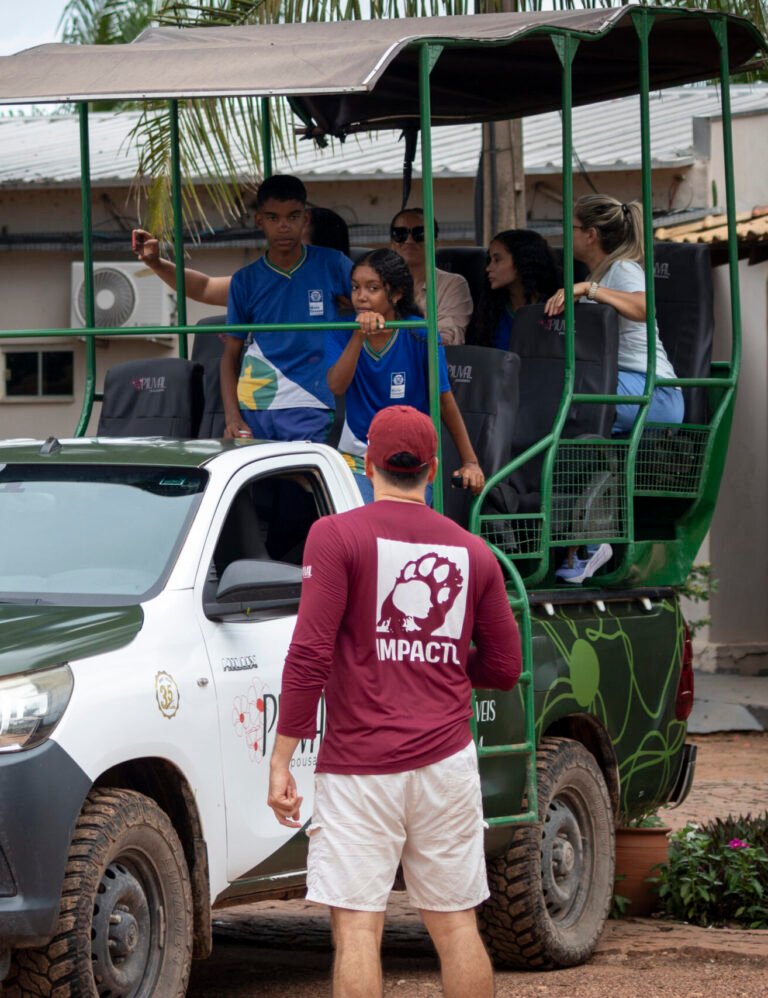
In schools, we develop playful, interactive activities that are contextualized to the local reality. We bring into the classroom topics such as biodiversity, coexistence with predators, the ecological importance of species, and each person’s role in conservation. We aim to strengthen children’s and young people’s connection to their territory, awakening a sense of belonging and pride in the natural riches around them.
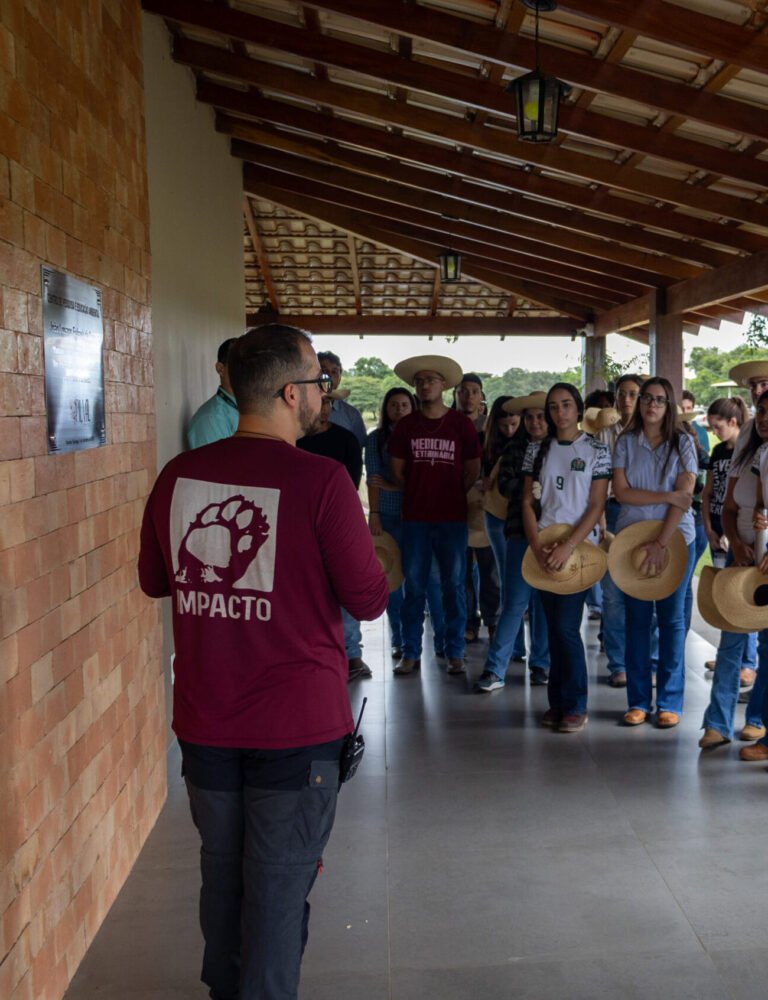
With tourists, we promote educational actions that go beyond mere observation. Through interpretive trails, talks, exhibitions, and immersive experiences, we invite each visitor to see the landscape through new eyes, understand the challenges of living alongside wildlife, and recognize the value of local conservation initiatives.


Ecotourism:
Experiences that Conserve
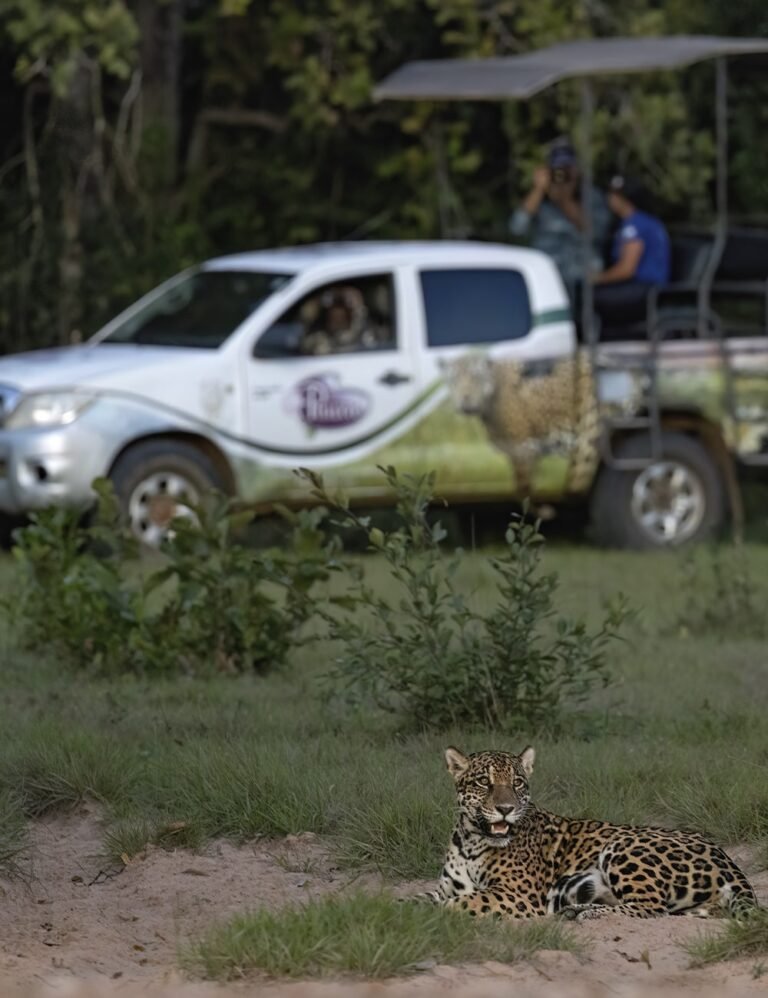
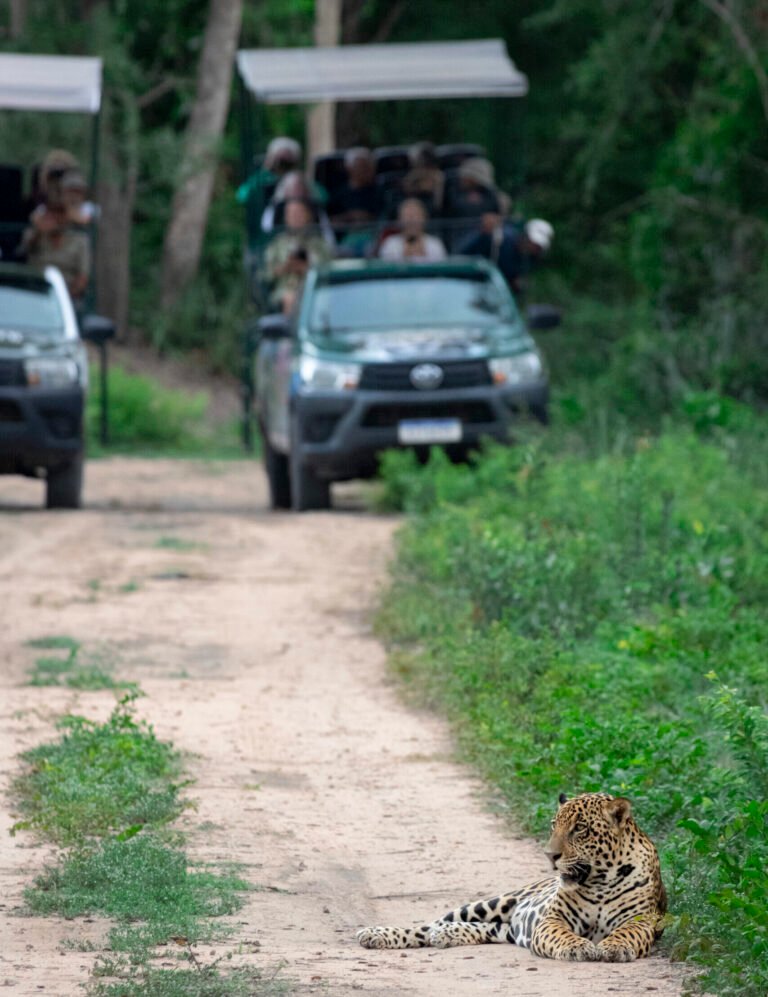
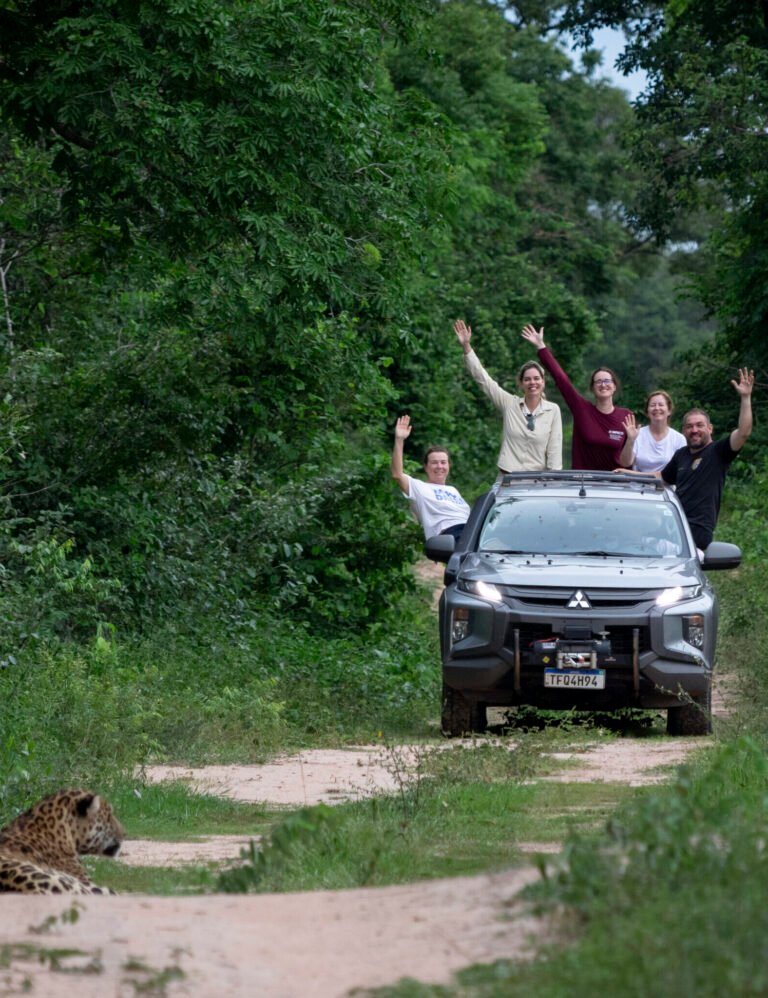
We work directly on structuring and strengthening conscious tourism that respects the rhythms of wildlife and provides authentic, educational experiences. One of our most remarkable initiatives is the scientific safaris—field experiences where tourists safely and guidedly follow the work of wildlife monitoring, with a focus on large predators.
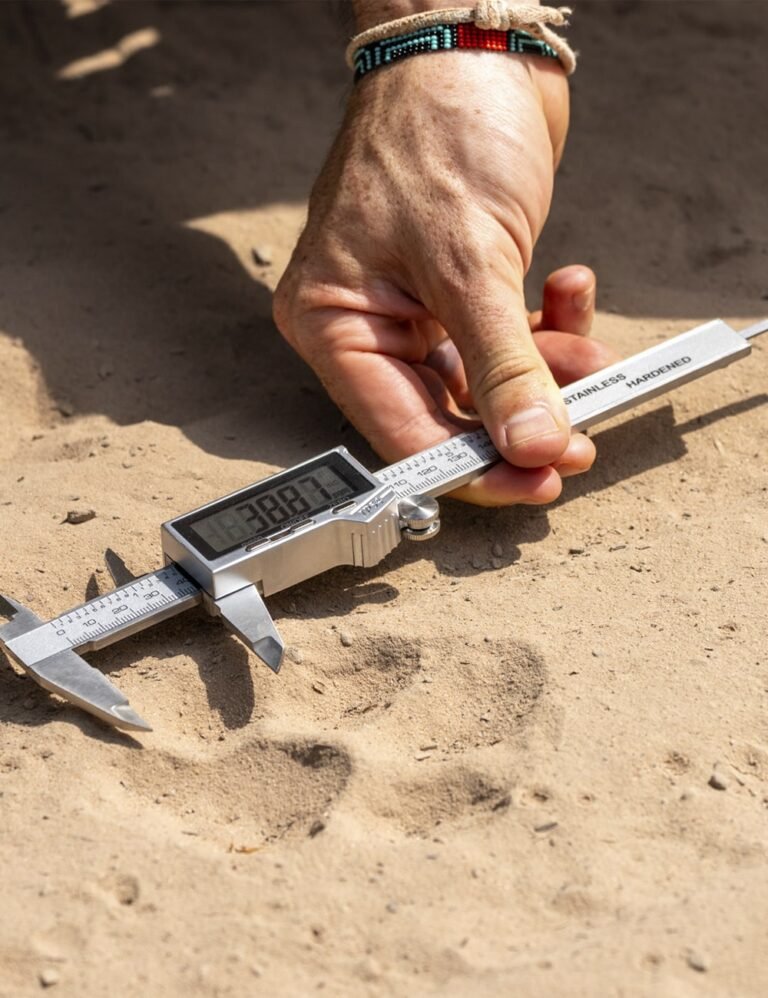
During these experiences, visitors stop being mere observers and become active participants in conservation: they learn to identify animal signs, take part in setting up camera traps, and gain hands-on understanding of the challenges and wonders of sharing a territory with nature.
Additionally, we contribute to the installation of informative and educational signs along trails, roads, and tourist areas. These signs guide visitors, reduce potential conflicts with wildlife, and reinforce messages of environmental appreciation. They are part of a broader strategy of awareness and communication within the territory.
We also work alongside lodges, guides, and local operators, helping to develop safety protocols, responsibility standards, and best practices focused on coexistence with wildlife and ensuring a safe and meaningful experience for visitors.
Coexistence with jaguars begins with a choice: the choice to coexist.
Who makes IMPACTO happen
Our team is made up of specialists passionate about conservation, science, and community engagement. These are professionals who bring together diverse knowledge, from academia to fieldwork, to turn environmental challenges into real solutions.
Each member carries in their heart a commitment to wildlife and to the people who share their space.

Paul Raad
Founding President
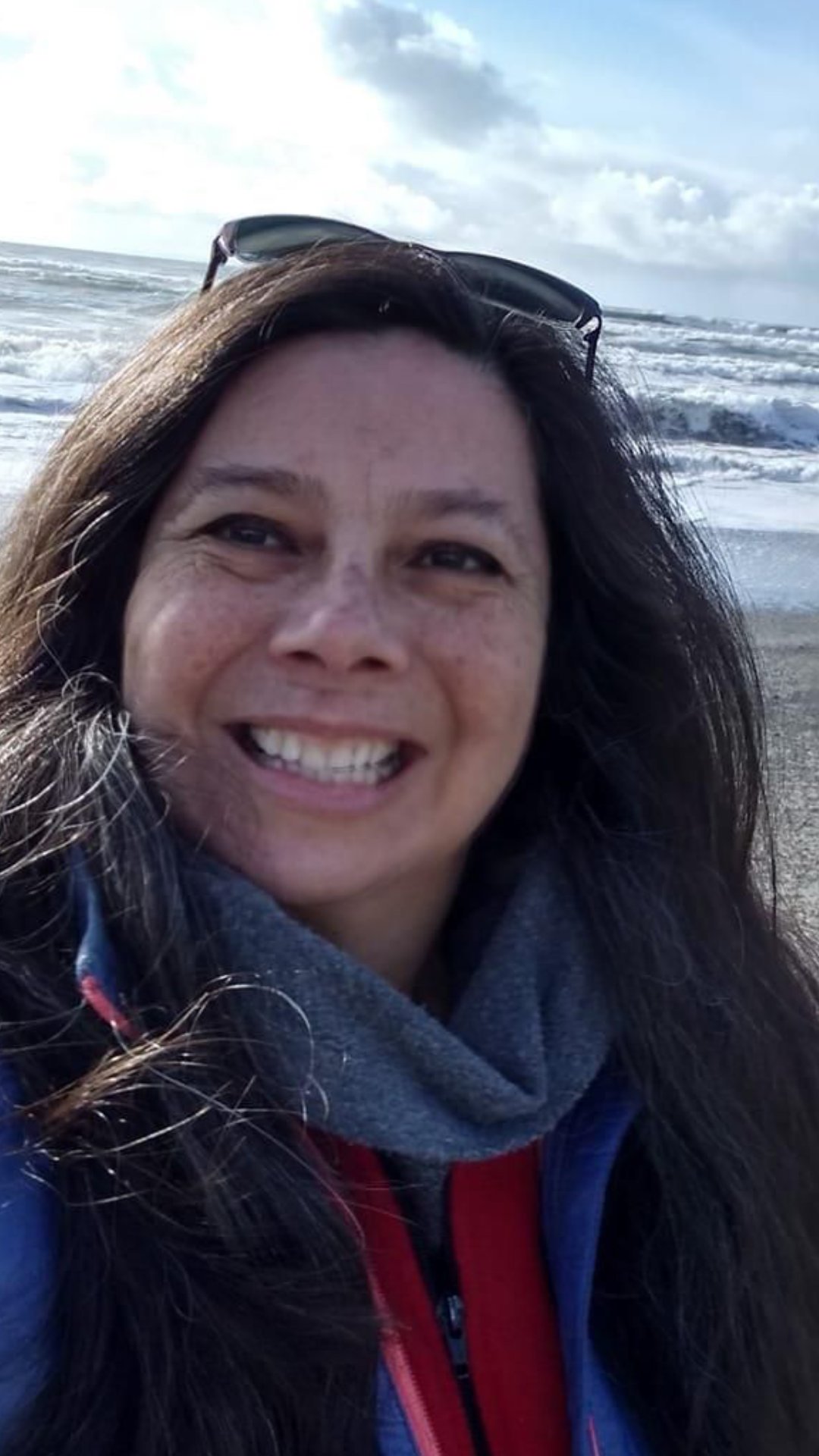
Paul Raad Cisa is a veterinarian working in the Pantanal with jaguars, combining science, management, and dialogue to mitigate conflicts and conserve wildlife. Focused on One Health, his work integrates research, education, and balance between nature and communities.

Dra. Christina Pettan-Brewer
Vice President
Dr. Christina Pettan-Brewer is a veterinarian, researcher, and a global reference in One Health. She works at the intersection of human, animal, and environmental health, with notable contributions to the UN, One Health Brazil, and research on zoonoses, biodiversity, and conservation.
Samuel F. Bressan
Executive Secretary and Researcher
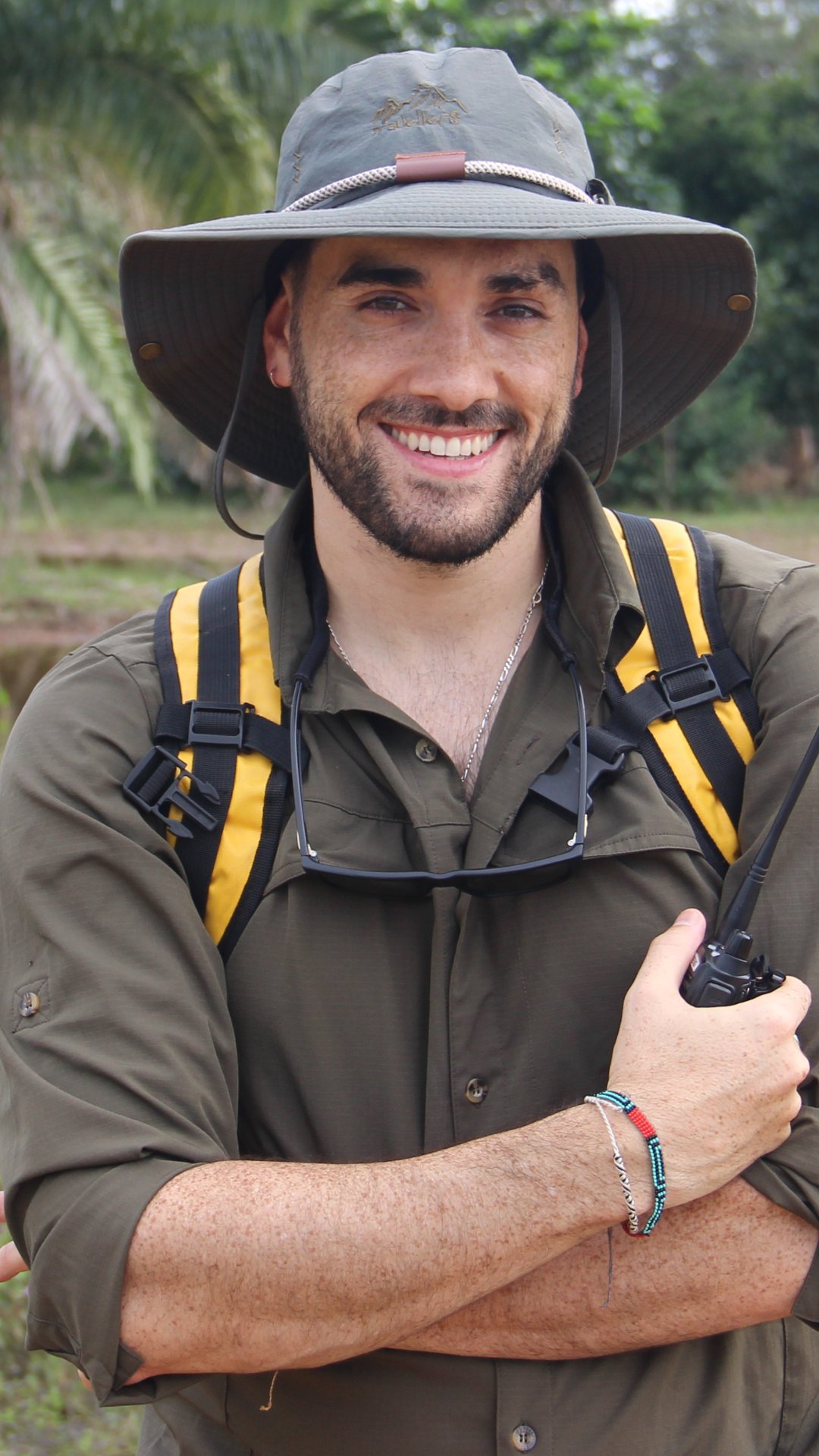
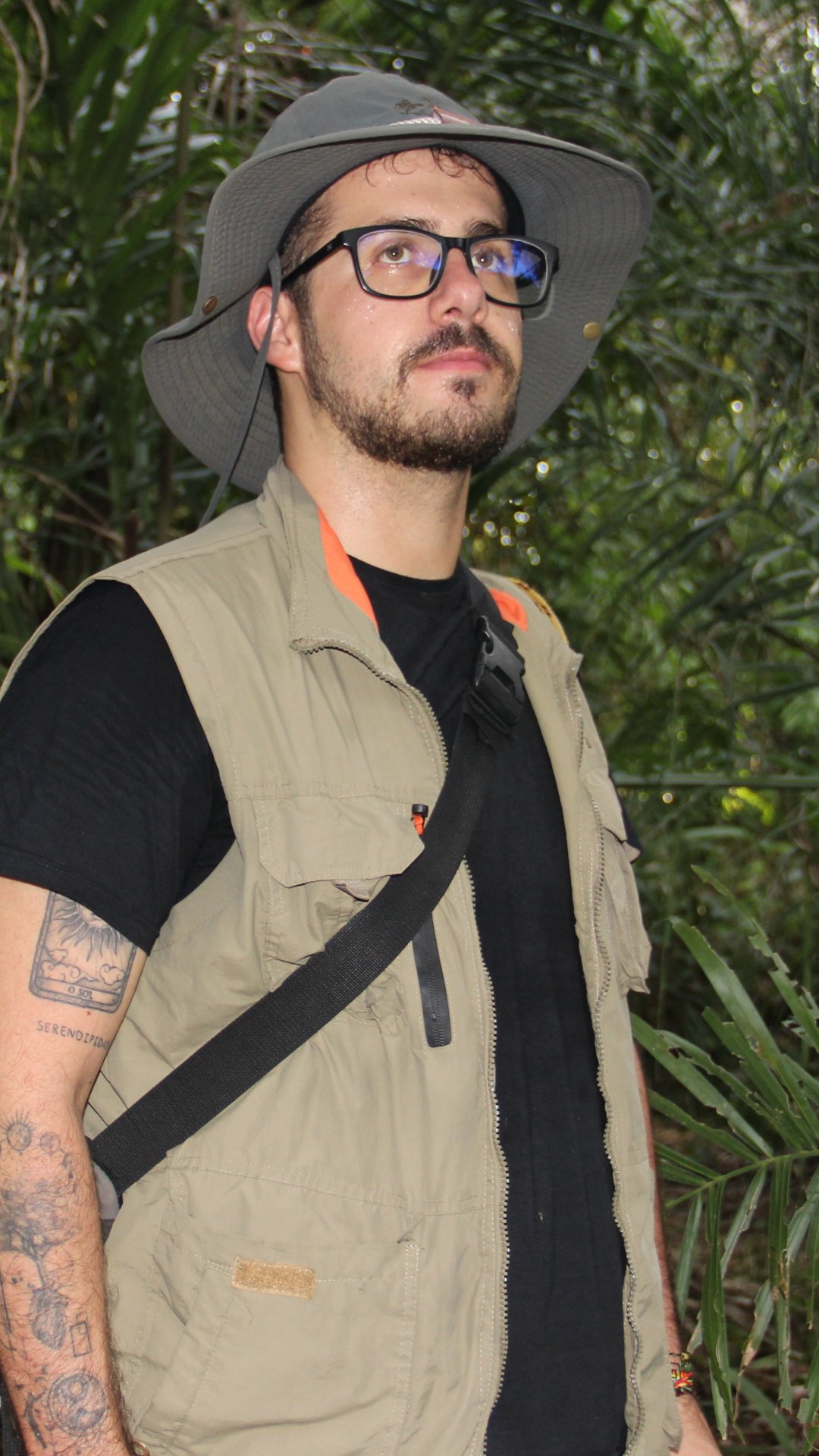
Samuel is a veterinarian who works in wildlife conservation. In the Pantanal, he promotes coexistence between predators and local communities. With experience in the Amazon, he advocates for biodiversity protection while respecting local cultures. That is why he is IMPACTO.

Breno Dorileo
Treasurer
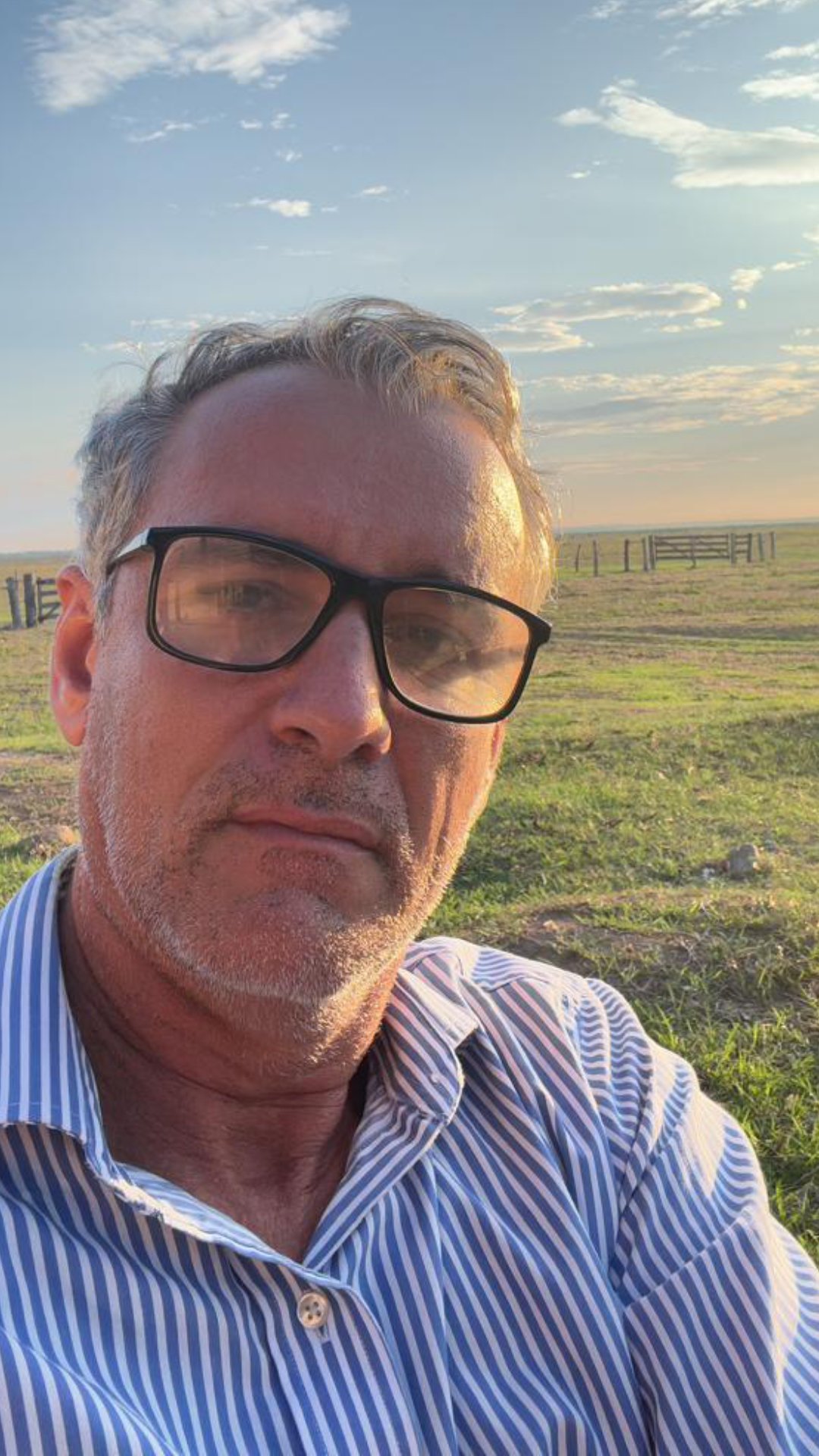
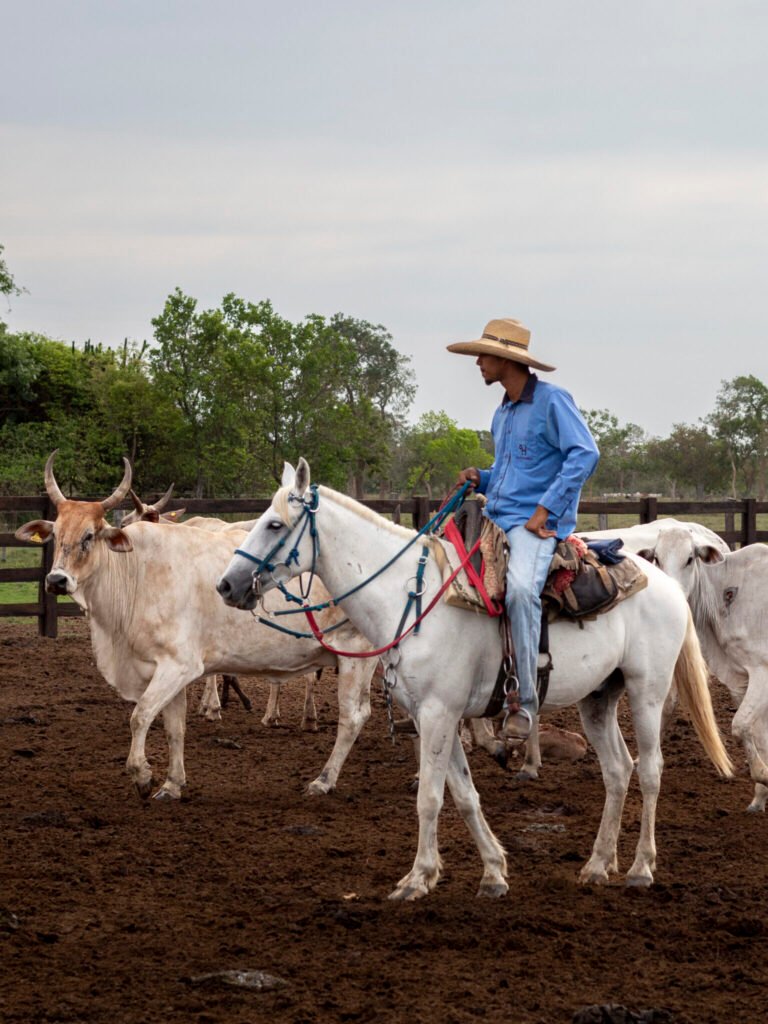
Breno, a Pantanal cattle rancher, combines tradition and innovation in livestock farming. A descendant of five generations in the Pantanal, he works to promote coexistence between livestock and wildlife, serving as a key link between local culture and conservation. That is why he is IMPACTO.

Grasiela Porfirio
Fiscal Councilor
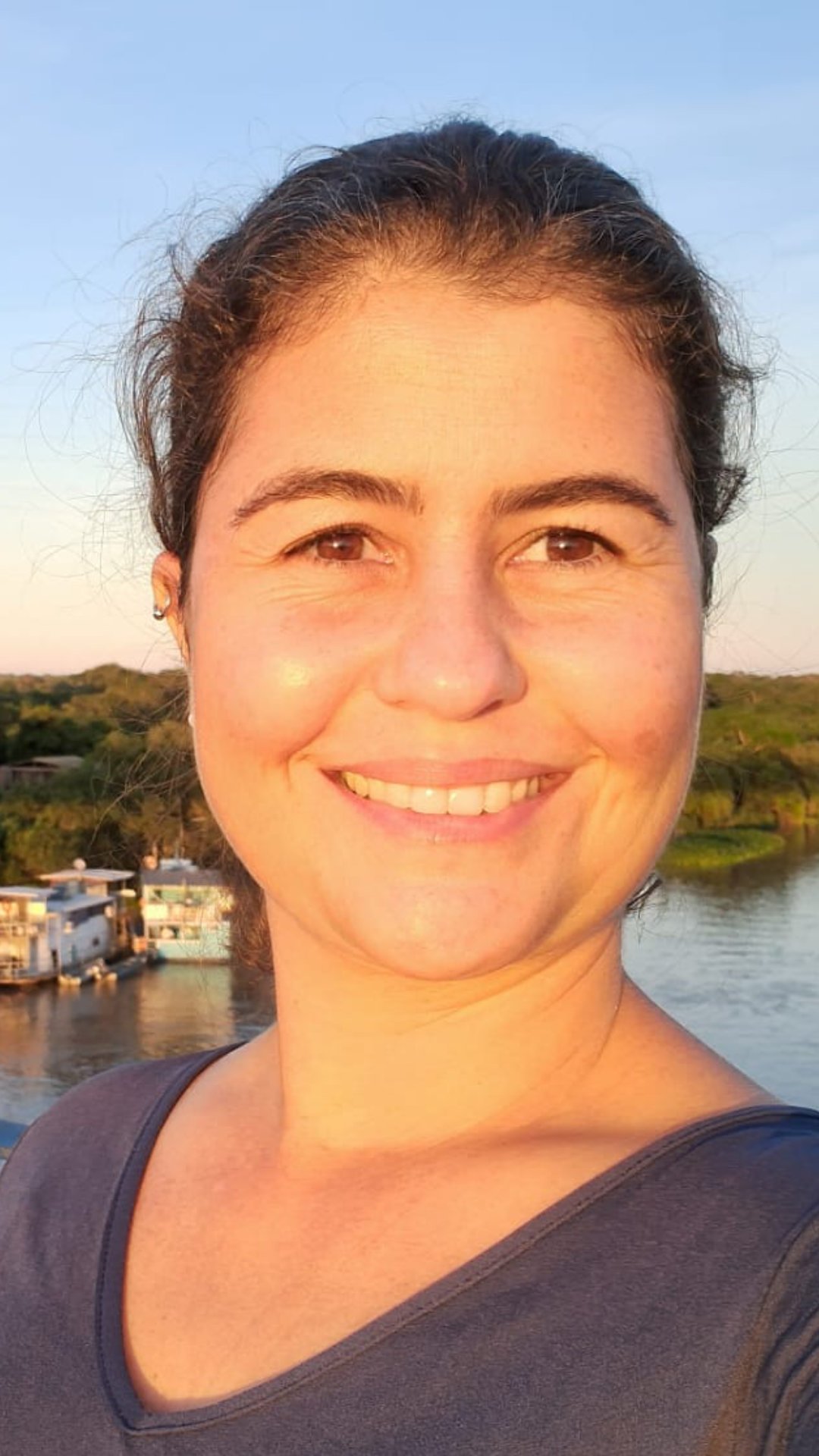
A Pantanal native, biologist, and fiscal councilor, she has been involved in jaguar research in the Pantanal since 2004. She combines science, environmental education, and art to raise awareness about wildlife and plant conservation. With extensive training, she creates real impact. That is why she is IMPACTO.
.

Walfrido Moraes Tomas
Fiscal Councilor
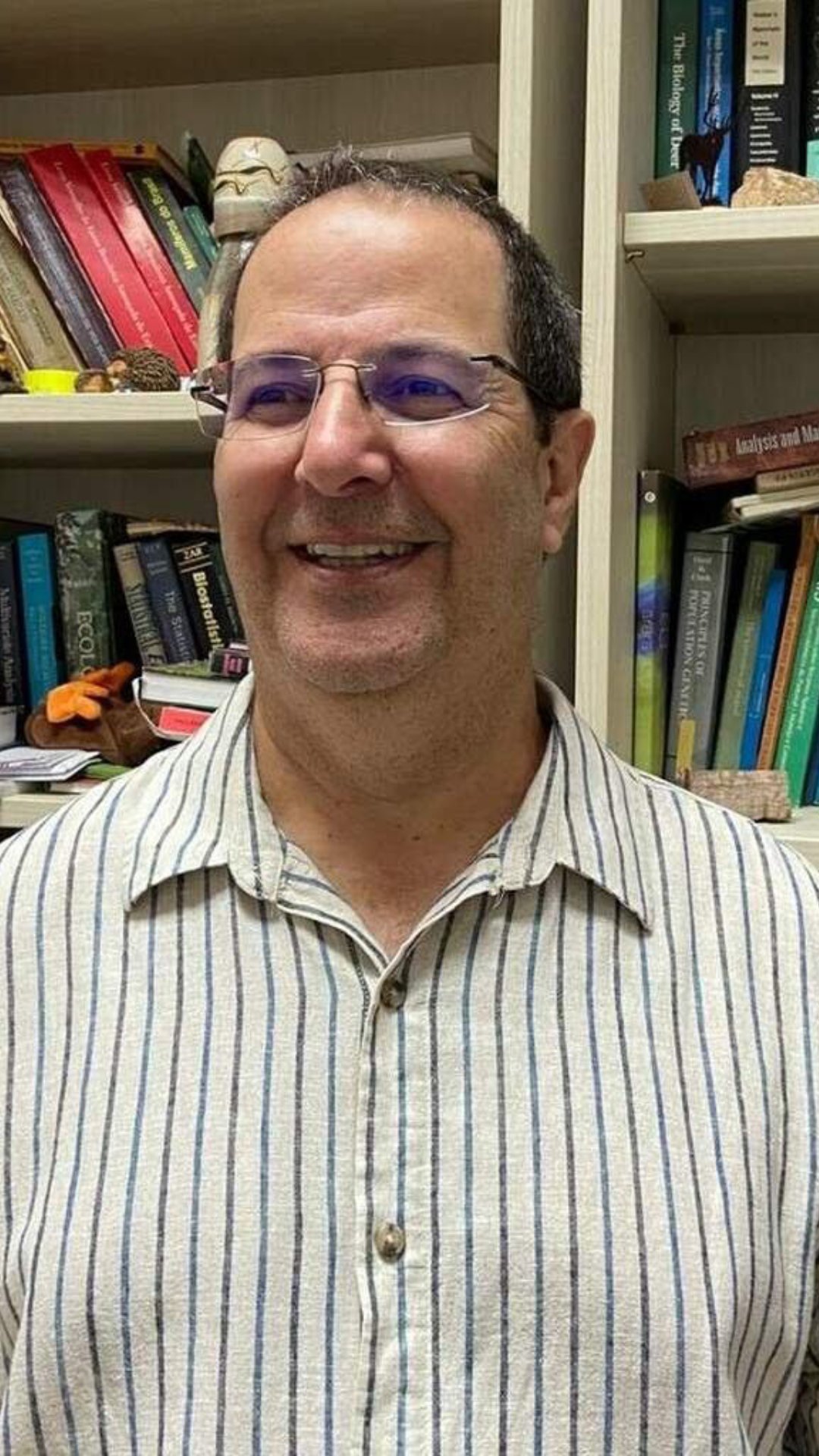
A fiscal councilor and researcher at Embrapa, he works in wildlife conservation and biodiversity management in the Pantanal. With extensive training, he studies landscapes, ecological corridors, and the impacts of deforestation. That is why he is IMPACTO.
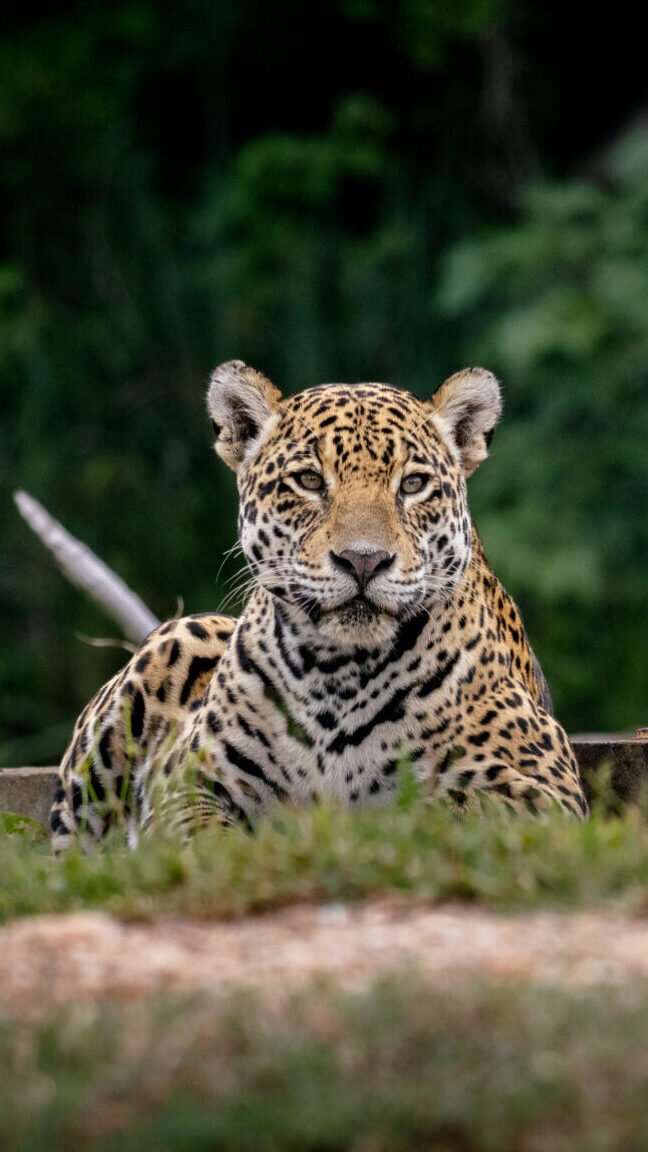
Jaguars Monitored Across Over 29,000 ha
More than a purpose: the mission to create IMPACT and transformation.
Since our founding, we have been driven by unwavering values and a clear vision for the future of biodiversity and the Planet. Discover the ideals that shape each of our actions and the legacy we have built over the years.
Our mission is to conserve jaguars in their natural habitat, promoting a harmonious coexistence between the species and human activities such as livestock farming and tourism. We aim to transform the perception of these animals, highlighting their ecological importance and grounding every strategy in rigorous scientific research.
To be the global reference in coexistence strategies between wildlife and traditional communities, driving the conservation of healthy and resilient ecosystems for future generations.